


 Previous Article
A UK Homeowner's Guide to Replacing Wood Decking with Composite (2025)

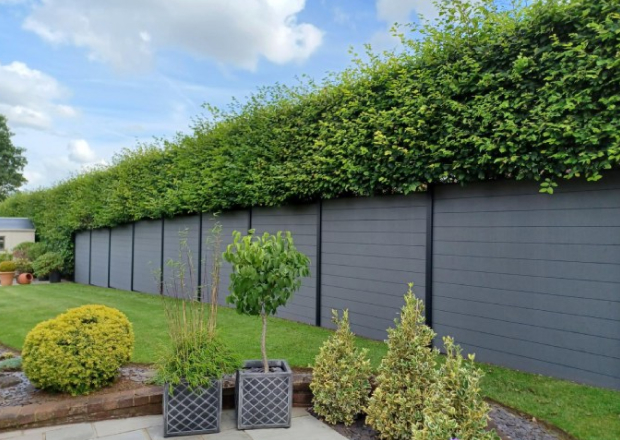

Fencing your home does more than just define your boundary; it frames your property and sets the tone for your entire garden. Here in the UK, options range from traditional timber to modern composite and even metal.
While it is widely accepted that composite decking adds value to a property, the big question for homeowners is: “Will upgrading to modern eco-friendly composite fencing also increase my home’s value?”
The short answer is yes. In this guide, we explore how and why this modern material boosts your property’s resale potential.
Building a fence with composite materials is an investment in “Kerb Appeal.” It makes your garden stand out against neighbouring properties that may have rotting or faded timber fences.
The Numbers: What is the ROI? Research indicates that a well-landscaped garden can increase a home’s value by up to 20%.
Our Engineer’s Estimate: Based on the privacy and low-maintenance benefits, we estimate that a high-quality composite fence can add 3-5% to your home’s appeal value. More importantly, it acts as a “deal sealer”—potential buyers prefer a house with a fence they know won’t need painting or replacing for decades.
The potential value of the upgrade will also depend on the quality of the system you install, so choosing the best composite fencing for the property means considering more than appearance alone.
Composite fencing is growing in popularity year on year. Why? Because it brings a modern, clean look that timber struggles to match over time.
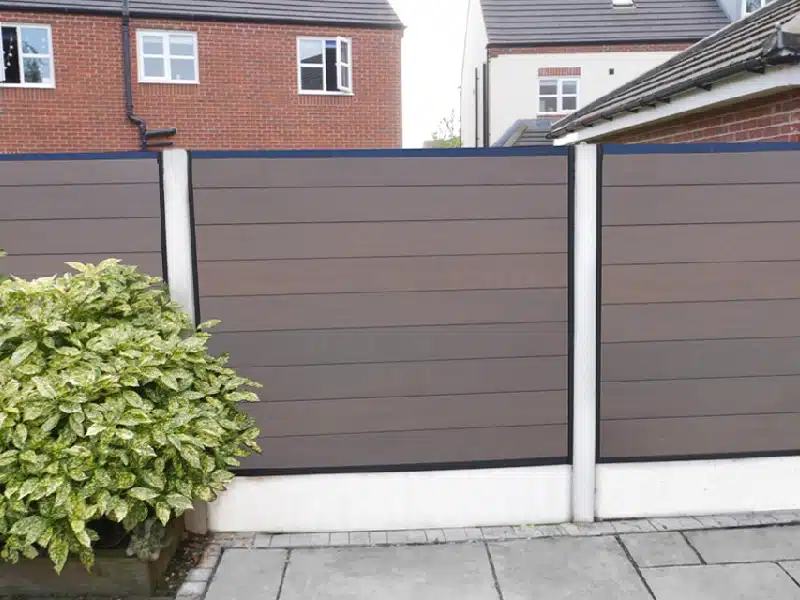
A material that lasts longer has greater value.
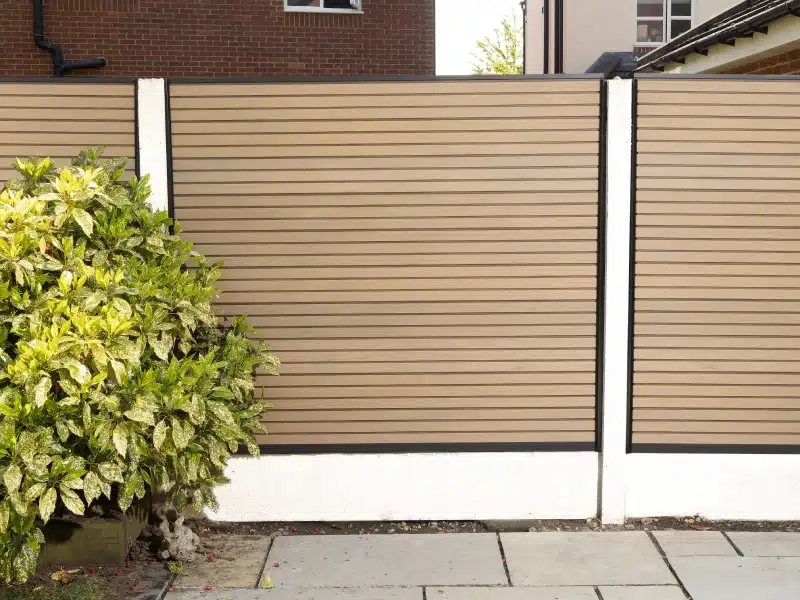
In the damp UK climate, moisture absorption is the enemy. It is the key reason why wooden fences crack, split, and structurally fail.
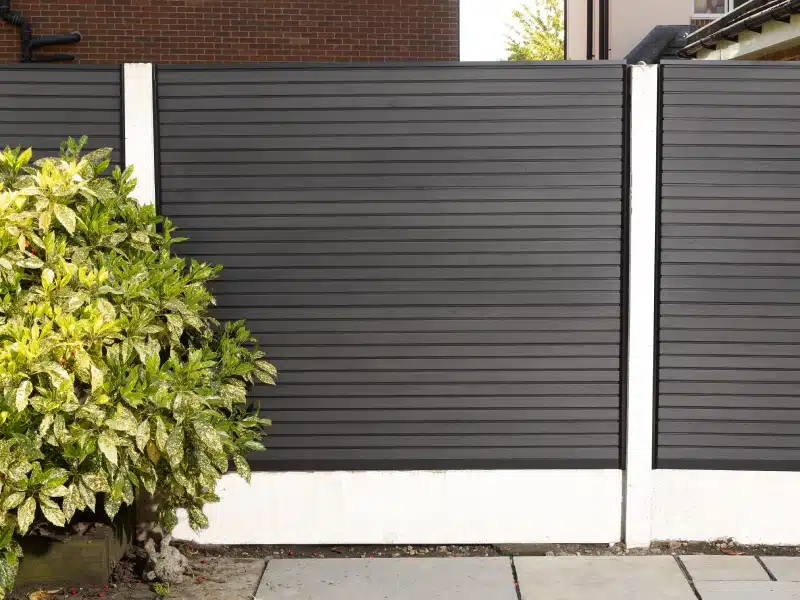
Maintaining a wooden fence is a chore. It requires sanding, staining, and sealing every 1-2 years.

Finally, peace of mind adds value. Most timber fences come with a very limited guarantee (or none at all).
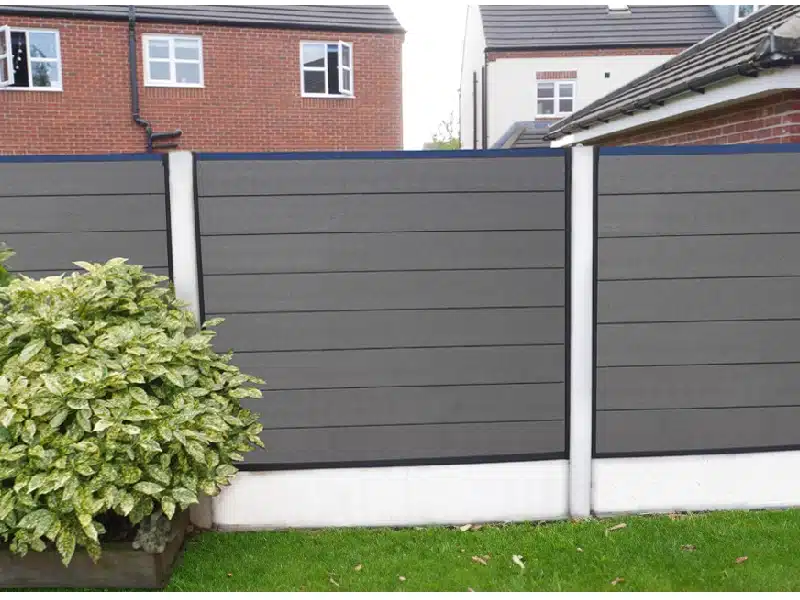
Does Wood Plastic Composite (WPC) add to a home’s value? Yes, it does.
It elevates the look of your garden, eliminates the cost of annual maintenance, and provides a durable boundary that lasts for decades. In a competitive property market, these features make your home more desirable and can significantly boost its final resale price.
Previous Article
A UK Homeowner's Guide to Replacing Wood Decking with Composite (2025)


Can You Put Ice Melt on Composite Decking?
