


The Guide to Cladding Lengths
- September 9 2026
- luke
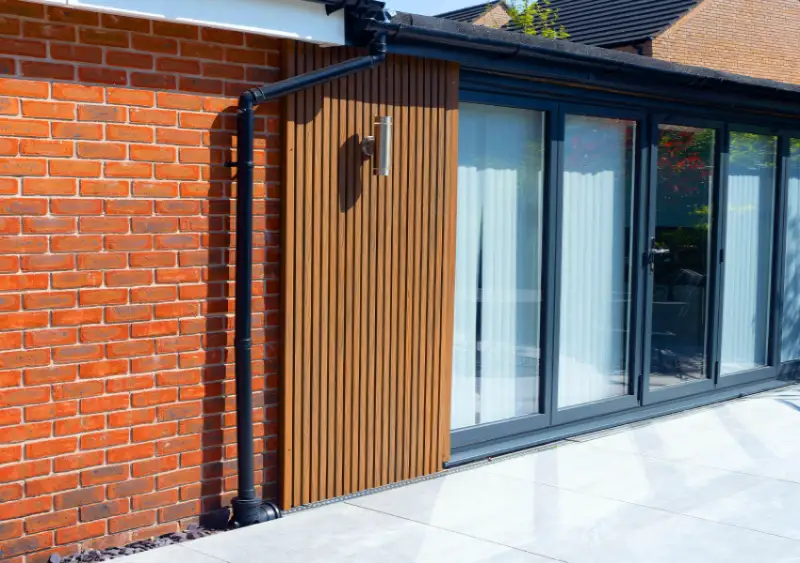
Once you have weighed up the different materials and chosen your perfect cladding, you are faced with the next major project decision: what size boards do you actually need?
Cladding is typically available in 2.5m, 3.6m, 4m, and 5m lengths. With all these options to choose from, it can seem daunting to a first-time buyer. Finding the right length is crucial, as the correct choice will dramatically reduce your off-cut waste, save you money, and make installation significantly easier.
We have broken down the benefits of each size below so you can become more knowledgeable with ease and make an informed purchase for your project.
Often seen as the optimal “sweet spot” length in the industry, 3.6m offers manageable sizing for both installation and transport, while providing reduced joint requirements in residential, commercial, or garden projects.
Commonly available in composite claddng and fibre cement variants, a 3.6m board provides excellent surface area coverage while still remaining light enough for a single person to install easily. They mirror the flexibility of design that 2.5m boards offer, allowing you to install them both horizontally and vertically. It is commonly used alongside its 2.5m counterpart for garden rooms, sheds, and exterior walls.
Used to provide a seamless, professional finish on longer-spanning walls or surfaces, 4m cladding lengths offer significant savings on time and cost during installation. Requiring far fewer joints than 2.5m boards, 4m cladding allows you to cover most standard rooms, garden walls, or housing exteriors in a single go.
Eliminating the need for intermediate joiner trims that are needed when using shorter 2–3m boards offers a sleeker, timber-effect appearance. Due to its length, installation is much easier for professionals, requiring fewer individual cuts and less securing of the material, ensuring a smoother process.
Buying a 4m board and cutting it to size for specific dimensions can also be more economically favourable. However, its longer length increases its risk of bowing if not handled properly, and it is heavier than shorter lengths. Transportation is also more difficult compared to 2.5m options.
Like 4m lengths, 5m boards offer the ultimate benefit of fast installation, minimal joints, and a seamless finish due to their extra-long reach. They provide the most efficient coverage and can be highly cost-effective when cutting down to size for bespoke walls.
However, they are significantly more difficult to transport and handle. The increased weight requires more hands to manage, and there is a high risk of the boards bowing if they are not stored perfectly flat on-site.
Opt for 2.5m if you are planning a smaller project or garden room, reducing wastage and allowing smaller vehicles to transport the materials to the site.
3.6m is the most popular, widely used choice for many applications in cladding. Opt for this choice if you are unsure about your exact dimensions or have a medium-sized project.
4m and 5m present the best option for longer, seamless surfaces and provide the ease of cutting down to size, but be careful of their heavy weight and transport requirements. Always ensure you store them correctly on flat ground to avoid bowing or warping before installation.

The Ultra Guide to Cladding Types
