


Guide to Composite Types and Generations Cladding
- September 9 2026
- Allan Jeffrey
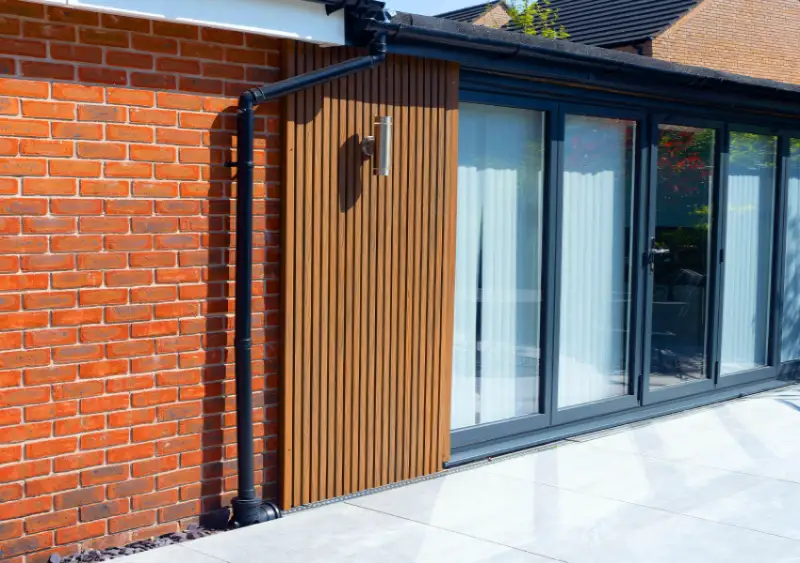
Composite material has evolved rapidly over the last decade, with manufacturers introducing new, highly improved 2nd Generation iterations of the product. These 2nd Gen products provide consumers with massive enhancements over their 1st Generation counterparts, with increased durability and colour-fade resistance being two notable upgrades.
But the industry isn’t stopping there. 3rd Generation wood-plastic composite is already in development, tying up the remaining minor weaknesses of its predecessor, and the introduction of Cellulose Nano Fibre (CNF) composites is an exciting future release to look forward to.
This guide aims to discuss the varying attributes provided across the generations of Wood-Plastic Composite (WPC), identifying the ranges and finishes provided by manufacturers to help inform your next project purchase.
Introduced in the 1990s, First Generation boards are the foundation of all composite designs. Composed of 55–60% wood fibres (usually in the form of recycled sawdust) and 40% plastic (such as PVC or HDPE), these materials are blended under extreme heat and pressure with bonding additives to create a solid, dense core.
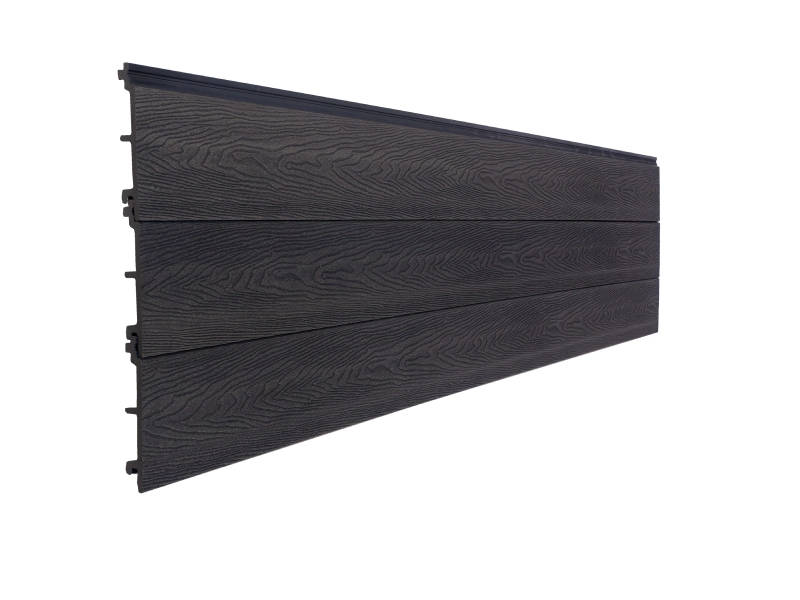
1st Generation boards offered immediate solutions to the glaring problems faced with traditional wood while successfully mimicking its finish and feel. They delivered:
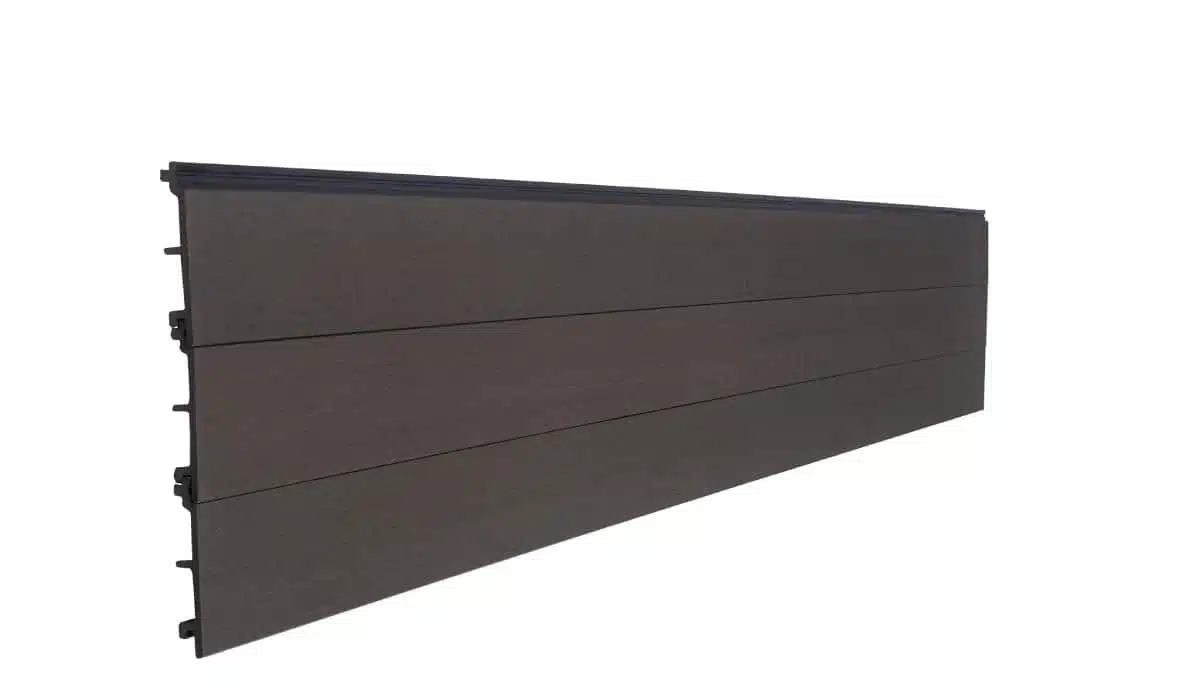
However, this product lacks the protective plastic cap seen in newer ranges, leaving its wood fibres exposed to the elements. While still highly durable, 1st Generation (uncapped) products will absorb some surface moisture and display a degree of colour-fade (roughly 30-35%) in the first six months before the colour naturally stabilises.
Smooth finishes on these boards also experience temporary tannin staining. Iron-based tannins locked within the wood fibres leach out onto the surface when exposed to heavy rain. While this is natural, non-permanent, and ceases after a few months, it can temporarily leave unsightly water spots.
Despite these early limitations, a quality 1st Generation board is expected to last 10–15+ years—highly comparable to, or better than, treated timber.
Building upon the benefits of 1st Generation WPC, 2nd Generation variants were designed specifically to conquer the issues of colour-fade, moisture absorption, and staining.
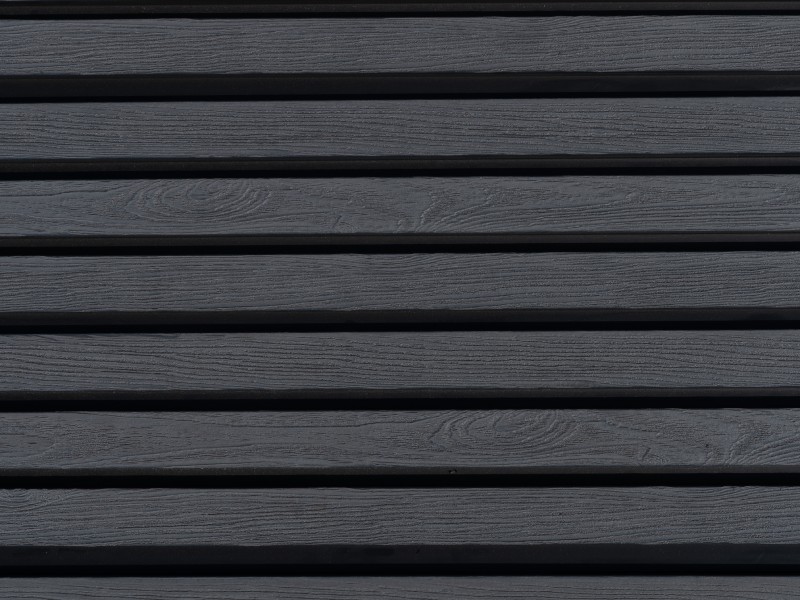
Manufacturers developed a process called co-extrusion, where multiple layers of plastic polymers are forced simultaneously through a shaping die. These polymers are pressed seamlessly around the core of the composite board, creating a protective, impermeable shield known as a “cap”.
The major drawback to this version of WPC is the noticeably increased upfront cost and a slightly heavier board weight. However, consumers and manufacturers agree that the longevity of this product saves money in the long run, easily lasting an average of 25+ years.
In this final section, we will cover the different physical surface finishes you can expect from composite ranges and how they perform.
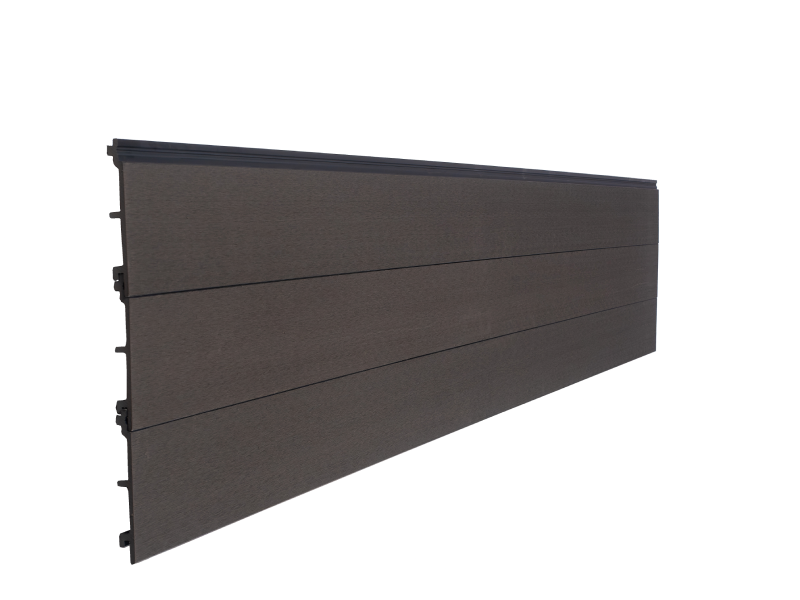
Typically found amongst 1st Generation (uncapped) composites, smooth cladding boards mimic a freshly sanded wood texture, providing a sleek, minimalist, and contemporary look. It is the most ubiquitous range, featuring a massive selection of colours, and is the most budget-friendly option on the market.
Designed to strictly mimic the appearance of organic timber, woodgrain composite cladding features the touch, feel, and visual appeal of bark textured directly into the surface. Found in both capped and uncapped forms, it is ideal for rustic, traditional, or period homes.
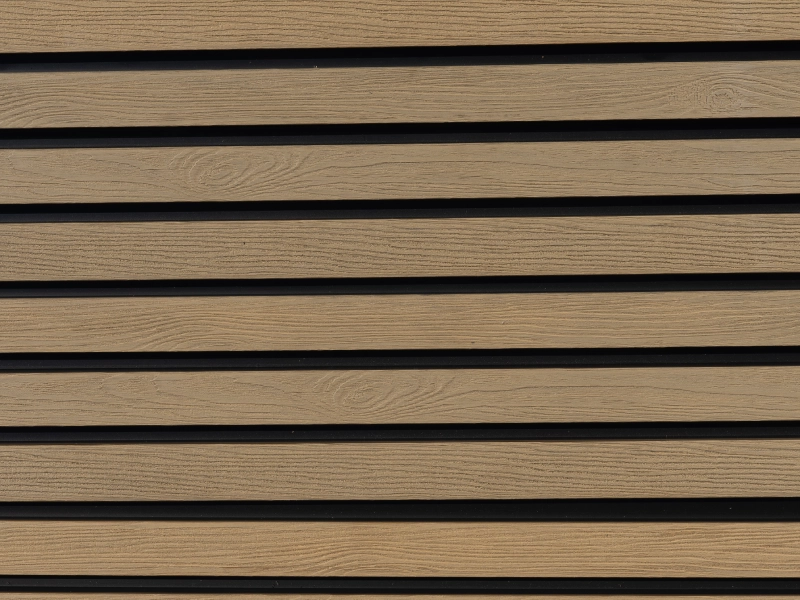
Slatted cladding variants are now highly popular in modern composite cladding and composite fencing sectors. They provide a unique 3D architectural presentation, often contrasting dark, shadowy recesses against lighter woodgrain faces.
We at Ultra Decking hope this guide provides an informative, expert look into the current and future landscape of composite materials. Whether you opt for the budget-friendly pioneer of 1st Generation or the ultimate shielded longevity of 2nd Generation, composite remains the ultimate low-maintenance upgrade for your home

The Guide to Cladding Lengths
