


 Previous Article
The Guide to Cladding Lengths
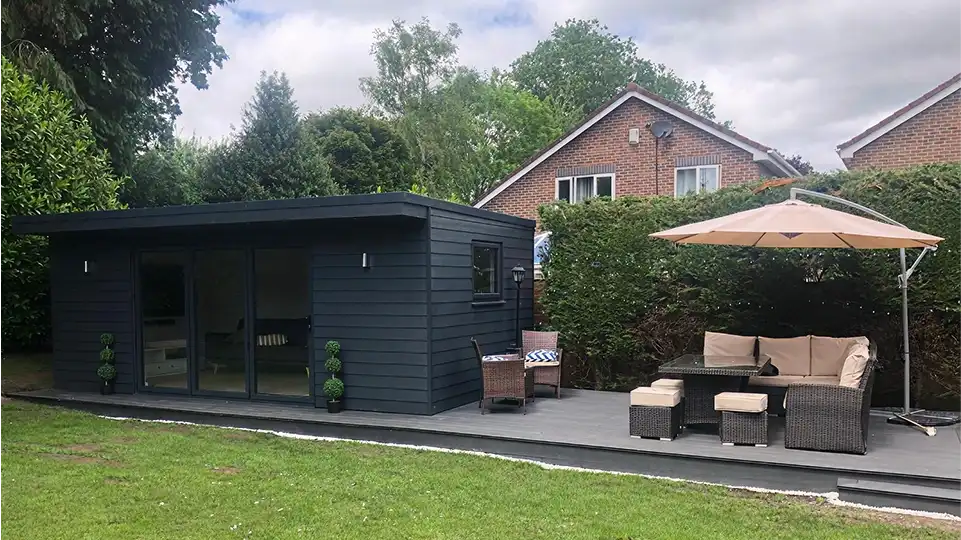
In today’s market, a wide variety of exterior cladding types are available for the consumer to consider. This overwhelming amount of choice can make finding the perfect material a complex decision for any homeowner.
In this guide, we aim to provide you with an accurate, informative comparison of the main cladding alternatives out there. We will break down their benefits and shortfalls, helping you select your perfect cladding solution to improve your home’s look, feel, and longevity.
Let’s begin by comparing the different types of cladding materials available:
PVC or ‘Polyvinyl Chloride’ plastic cladding is a lightweight, often budget-friendly choice for exterior walls, soffits, and fascias. It sees most use in temporary structures, low-rise buildings, or budget-conscious projects.
Advantages Composed entirely of pure plastic, this option is fully waterproof, making it ideal for wet environments or outside exteriors. This cladding type is easy to install due to tongue-and-groove systems designed for DIY fitting. It is often selected as a more durable alternative to wood and is sought after for its low-maintenance benefits. It is generally more affordable than wood, metal, or composite and is available in a wide range of colours and finishes. Furthermore, it doesn’t require painting, staining, or sealing, and due to its lack of wood content, it is highly resistant to rot, corrosion, and pests. When properly maintained, PVC cladding can last between 20–30 years.
Disadvantages While it may be a cheaper alternative, it lacks an organic surface texture and premium feel when compared to composite or wood, appearing synthetic and bland to some. Long exposure to UV light can lead to colour fade and material decay; the pigmentation can begin to yellow, weakening the plastic fibres and causing them to become brittle over time. PVC is also a good conductor of heat. In high-temperature environments, it will expand and contract significantly, requiring perfect installation to avoid warping and bowing. Finally, because it is sourced from petroleum and is non-biodegradable, it is a less eco-friendly option.
Aluminium has unique benefits as a metal. It is naturally coated with an oxide layer, protecting it from corrosion and rust much better than iron or steel. It is also very lightweight, durable, and offers high design flexibility. It is most often applied to high-rise building exteriors and industrial buildings, though some opt to use it in residential areas for a clean, contemporary look.
Advantages Aluminium combines metal-grade strength with incredible endurance, providing a viable alternative to wood where longevity and low weight are key. Due to its composition, it is highly non-combustible and offers strong fire resistance compared to PVC, wood, and composite. It is low-maintenance (cleaned simply with water) and is not prone to rot or UV damage. Coming in a variety of colours and finishes (including wood textures), it is highly suitable for modern aesthetic designs. It is also easily recycled, providing an eco-friendly option that lasts a staggering 30–50+ years.
Disadvantages Unfortunately, this type of cladding has a high initial upfront cost and is generally more expensive than PVC, composite, or wood alternatives. While durable, its relative softness makes it prone to dents or scratches, especially during severe weather or in high-traffic areas. This susceptibility creates challenges for repairs, often requiring panel replacements and further labour costs. Expert Tip: Aluminium undergoes aggressive thermal expansion, particularly when using longer 4m or 5m lengths. If the cladding is not professionally installed with the correct fixings—allowing the metal to naturally expand and contract—it will bind against the screws. This incorrect installation is what causes the loud "cracking" or "popping" noises often associated with metal cladding, so bear this in mind if you are planning a DIY project.
Composite is a hybrid material made up of a combination of 55–60% wood fibres (often sourced from recycled sawdust) and 40% recycled plastic, blended with binding additives.
This fusion provides unique physical and chemical properties, leaning into the strengths of its components while reducing their drawbacks. Composite cladding has seen a massive boom in popularity over the last 5–6 years due to improved manufacturing practices.
HDPE vs. PVC Core The two plastics most used in composite are PVC and HDPE (High-Density Polyethylene). They offer different properties that dictate the longevity of your cladding. Both are robust thermoplastics, but HDPE is generally preferred by top manufacturers due to its superior flexibility, impact resistance, and weather tolerance.
Advantages Boasting a high strength-to-weight ratio, composite is highly durable. It is lightweight and easily fitted as a DIY-friendly option, utilizing shiplap and overlap connectivity for ease of installation. Compared to pure PVC, HDPE-based composite survives much lower winter temperatures and is protected against heat-expansion warping due to its increased flexibility. You do not need to worry about rot or insect damage, as composite has minimal moisture uptake despite its wood content. Offering a cost-effective improvement for buyers wanting the look of wood without the downsides, composite is available in a wide range of colours, textures, and finishes. The dyes used have a greater penetrance than standard timber stains, and the material boasts much higher UV resistance—especially in its 2nd generation "capped" variant. Made entirely of recycled products, it diverts waste from landfills, making it a highly eco-friendly choice. It requires no sanding, sealing, or painting—just minimal cleaning with warm, soapy water to retain its beauty for decades. Expect high-quality composite cladding to last 20–30+ years.
Disadvantages It initially has a higher upfront cost than PVC and softwood (though generally cheaper than aluminium). While stain and rot-resistant, the surface can still accumulate algae or mould if never cleaned. Uncapped variants will see some initial fading (up to 30%) over the first 6 months as the natural wood fibres weather. Inadequate installation without proper ventilation provisions can cause moisture accumulation behind the boards and lead to structural issues. It is also heavier than wood or vinyl, which may require additional structural support on older frames.
The traditional choice, wood cladding has been around for centuries and is the foundation against which all alternatives are compared. Budget-friendly at a glance, it is the natural choice for buyers seeking a genuine, organic texture.
Advantages Providing a natural, organic aesthetic, wood cladding presents itself as a cost-effective initial solution. Boasting rich colours (especially in hardwoods like Cedar), wood provides an innate, nature-loving touch to any property. Available in a wide range of types, it gives buyers ultimate flexibility. Furthermore, damage can be fixed with sanding, sealing, and painting, allowing you to easily alter your pre-existing finish at will—if you are willing to put in the effort.
Disadvantages Highly prone to rot, weathering, and insect damage. It absorbs water easily, attracting mould and algae growth, and is prone to cracking during freezing temperatures when trapped water expands. It requires a heavy long-term investment in maintenance; expect to sand, seal, and paint your cladding much more often than all other alternatives. Wood trades its organic aesthetic for a shorter lifespan, often lasting only 10 years for softwoods and 15 for standard hardwoods unless you opt for highly expensive, specially treated timber.
We at Ultra Decking recommend composite as the best overall choice, as it combines strong durability, low maintenance, reduced colour fade, positive environmental impact, and premium aesthetic appeal.
(Once you have chosen your material, the next step is calculating your sizing. Read our Guide to Cladding Board Lengths to find out how to reduce your waste and make installation easy!)
Previous Article
The Guide to Cladding Lengths

Fire-Resistant Composite Decking: UK Regulations & Ratings Explained
