


 Previous Article
How to Build a Garden Bench from Composite Decking (2026 UK DIY Guide)
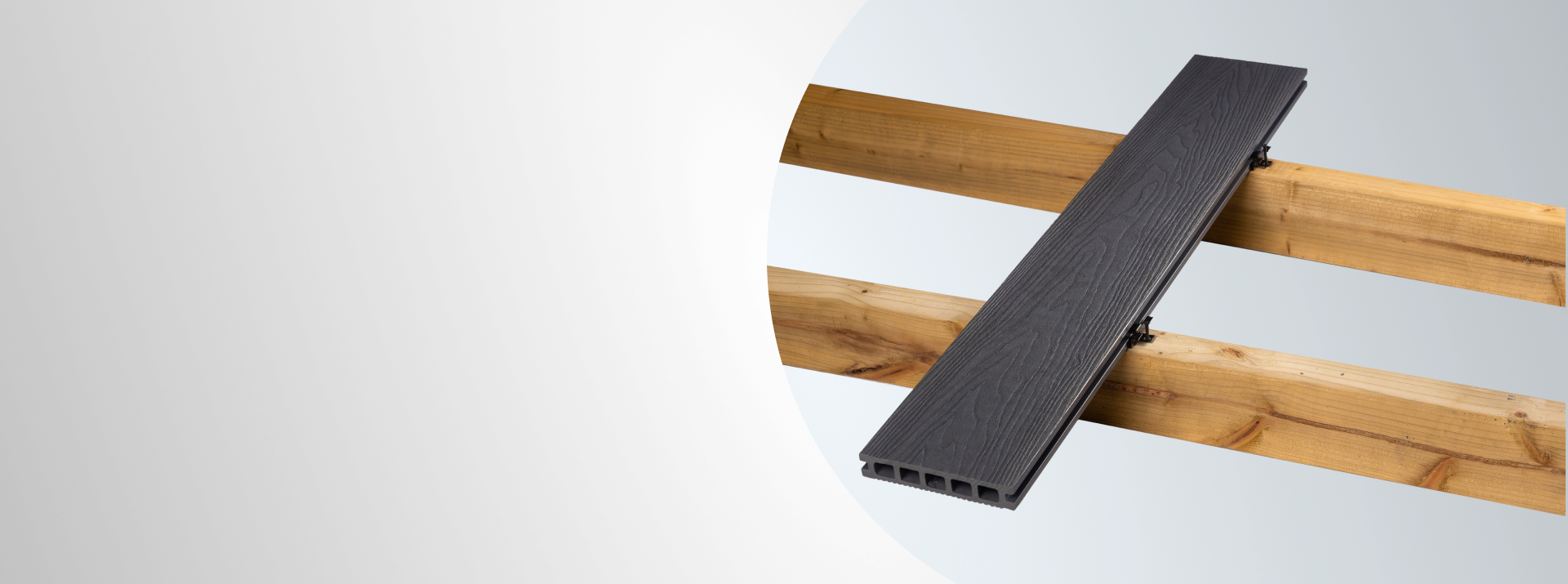
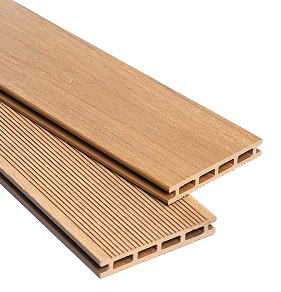
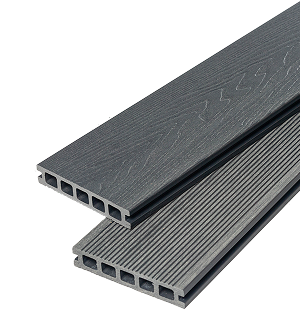
choosing the right composite for your upgrade, the length of the boards you choose plays an important role in the final look, cost, and speed of your installation. In this guide, we’ll walk you through the standard board lengths available in the UK and the key pros and cons of using longer boards from our experience.
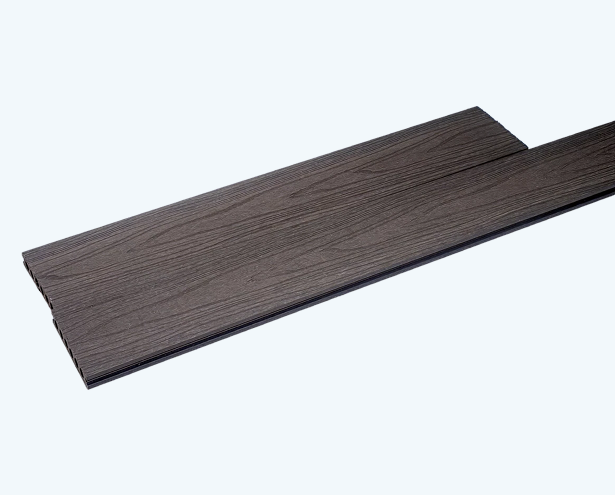

The four main decking solutions on the market today are available in a variety of standard lengths. The reason for this variation is simple: it’s driven by factors like the material type, the supplier’s history in the market, and their logistics network, which is designed to meet the demand for different project sizes.
Different Types:
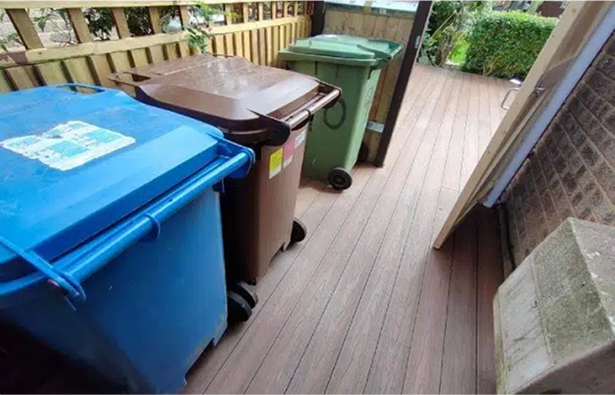
In our experience and from customer feedback, a high percentage of homeowners choose board lengths based purely on their project dimensions. Many customers do assume that longer boards are always better, but its key point out they come with clear trade-offs.
The Advantages (The "Pros"):
The Disadvantages (The "Cons"):
Expert Tip: In our experience, delivery and courier companies in the UK classify items over 4m in length as “ugly freight.” This means the delivery cost for a 4.8m decking board can be significantly higher than for a standard 3.6m and 4m board. Always factor this into your budget when comparing prices.
While longer boards can create a more enhanced and seamless finish, for most standard UK garden decks, using a more common length like 3.6m often provides the best balance of aesthetics, stability, and overall cost-effectiveness once high delivery charges are factored in. Always plan your deck layout before ordering to minimise waste and choose the most efficient board length for your design. At Ultra Decking we are the first and only provider to offer the widest range of composite decking boards length from 2.4m to 4.8m composite decking boards.
 Previous Article
How to Build a Garden Bench from Composite Decking (2026 UK DIY Guide)

Composite Fencing vs. Wood: An Honest Comparison (2026)
