menu
https://ultradecking.co.uk/wp-content/uploads/2025/07/image-411.jpg https://ultradecking.co.uk/wp-content/uploads/2025/07/image-411-1.jpg

How to Build a Garden Bench
from Composite Decking (2026
UK DIY Guide)

  • January 22 2026
  • Allan Jeffrey
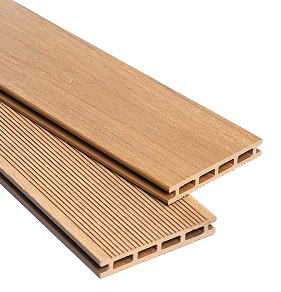
Teak wood grain composite decking boards left side view

Introduction

A customer favourite over the years is using leftover decking boards to construct a matching bench for their new outdoor space. It’s a perfect way to create a bespoke seating area that complements your garden beautifully.

Building a bench from decking boards might seem difficult, but if you follow our simple steps, you can build a strong and stylish bench yourself. In this guide, we’ll walk you through the process, using advice gathered from numerous professional fitters.

Project Overview

  • Skill Level:

    Beginner / Intermediate DIY

  • Approximate Cost (Using Leftovers):

    £50 (for timber frame & fixings)

  • Estimated Time:

    2 – 4 hours

  • Approximate Cost (Buying New):

    £200 – £250

Before You Build: Planning, Tools & Materials

Step 1: Plan Your Dimensions

First, decide on the size of your bench. UK standards are a good guideline:

  • Height

    Typically 40cm – 50cm from the ground to the top of the seat.

  • Depth

    Around 40cm – 50cm deep.

  • Length

    This depends on how many people you want to seat. A length of 1.8m is comfortable for three adults

Step 2: Gather Your Tools & Materials

Having everything at hand will save time and help you work faster.

  • For the Frame

    We strongly recommend using C24 graded pressure-treated timber (e.g., 4 x 2 inches) for the frame. It’s strong, durable, and the UK industry standard for outdoor structures.

  • For the Seat

    You can use leftover composite decking boards. They are stronger than wood, won’t rot or decay, and will perfectly match the finish you achieved when building your decking.

  • Tools & Fixings

    You will need a tape measure, a spirit level, a power drill, and a mitre or circular saw. For fixings, always use high-quality galvanised structural screws for an outdoor project.

    ⚠️ Expert Advice: Fixings Matter Structural Screws are a MUST. Never use cheap, standard screws with brittle heads; they will snap under the pressure of people sitting down.

    For maximum shear strength and stability, we strongly recommend using M10 Carriage Bolts (Coach Bolts) to secure the legs. These solid steel pins prevent the bench from wobbling over time in a way that screws simply cannot.


The Build: A Step-by-Step Guide

Step 1: Build the Main Bench Frame

The foundation of your bench is a simple rectangular box frame.

  • Using your saw, cut your C24 timber joists to create the two long sides and the two short ends of your bench frame.
  • Fix the four pieces together at the corners with your galvanised screws to form the outer box.
  • Cut shorter pieces of timber (noggins) and install them inside the frame, spaced approximately 400mm apart. This is a crucial step that prevents the frame from twisting and adds huge rigidity.
Step 2: Attach the Support Legs
  • Cut your C24 timber to create the legs for your bench (typically 4 – 6 legs for a 1.8m bench). Remember to subtract the thickness of your decking boards from your final desired height when cutting the legs.
  • Place the legs on the inside corners of your frame. To secure them, drive structural timber screws through the outer frame and into the leg.

Expert Tip: Use at least two structural screws per join for a strong connection. Alternatively, for the ultimate stability (as mentioned in our tools list), drill through the frame and leg to install M10 Carriage Bolts. This prevents the timber from splitting and stops the legs from wobbling over time.

Step 3: Clad the Bench with Decking Boards
  • The Seat: Cut your composite decking boards to length and place them on top of the frame, leaving a 3–5mm gap between each board for drainage and expansion. Secure them using hidden fasteners or composite screws.
  • The Sides (Fascia): Don’t forget the sides! To hide the pressure-treated timber frame, measure and cut pieces of Fascia Board (or rip down a decking board) to screw onto the face of the frame. This gives the bench a seamless, professional finish that matches your deck.
Step 4: Protect the Feet

Expert Tip for Longevity: To prevent the timber legs from rotting, they must not have direct contact with wet ground. The best practice is to either place your bench on hardstanding like paving slabs or to thoroughly coat the bottom of each leg with a high-quality end-grain wood preserver before use.


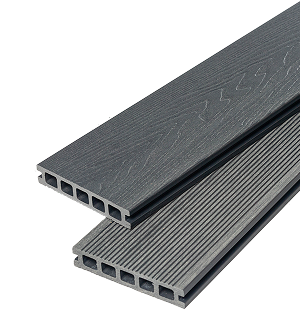
Constructing Grey Composite Boards
Drilling Composite Boards To Joists
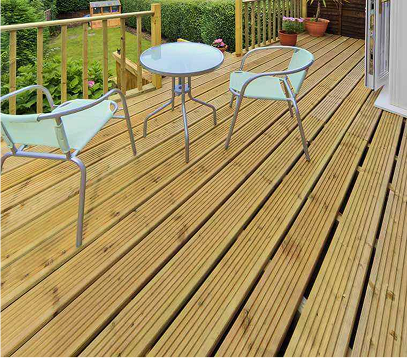
Wooden Decking Boards With Metal Table Chairs

Frequently Asked Questions (FAQ)

  • 1How much weight can a decking bench hold?

    When built correctly using C24 graded timber and proper fixings as described in this guide, a 1.8m bench can comfortably and safely hold the weight of three adults, approximately 250 – 300kg

  • 2Do I need to leave a gap between the boards on the seat?

    Yes, absolutely. A 3 – 5mm gap is essential. It allows rainwater to drain away freely and gives the composite boards room to expand and contract naturally with temperature changes.

  • 3Can I build a backrest for the bench?

    Yes, you can easily add a backrest. The simplest method is to use longer pieces of timber for the back legs, extending them upwards to your desired backrest height. You can then fix horizontal decking boards across these uprights to create a matching backrest.

Conclusion

Building a stylish and durable bench from your leftover decking is a straightforward and rewarding DIY project. By following these steps and using the right materials, you can create a bespoke piece of garden furniture that not only looks fantastic but is built to last.

If you don’t have leftover materials but are inspired to build one, you can view our full collection of composite decking boards to get started.

About the Author

BSc. (Hons) Engineering CEO & Founder of Ultra Decking®

As the founder and CEO of Ultra Decking®, Allan Jeffrey is a recognised expert and leading innovator in the field of wood-plastic composites, backed by a successful business career spanning over 40 years. His foundation in engineering (BSc. Hons) is the driving force behind the company’s commitment to technical excellence and ground-breaking product development.

Through premier brands like Ultra Decking® and the pioneering BioSyn™, Allan’s vision is to supply discerning clients with luxurious, sustainable building materials that perfectly match their lifestyles and values.

Previous ArticlePrevious Article

Decking vs. Paving: A UK Expert's Guide to Outdoor Flooring (2026)

Next Article Next Article

A UK Buyer's Guide to Decking Board Lengths (2026)

Get Your FREE Samples

Find your Perfect Product and get FREE Sample

Request a Sample
Arrow Icon Back Up