


 Previous Article
Why Winter is the Smartest Time to Install Your Composite Decking: An Expert's Guide
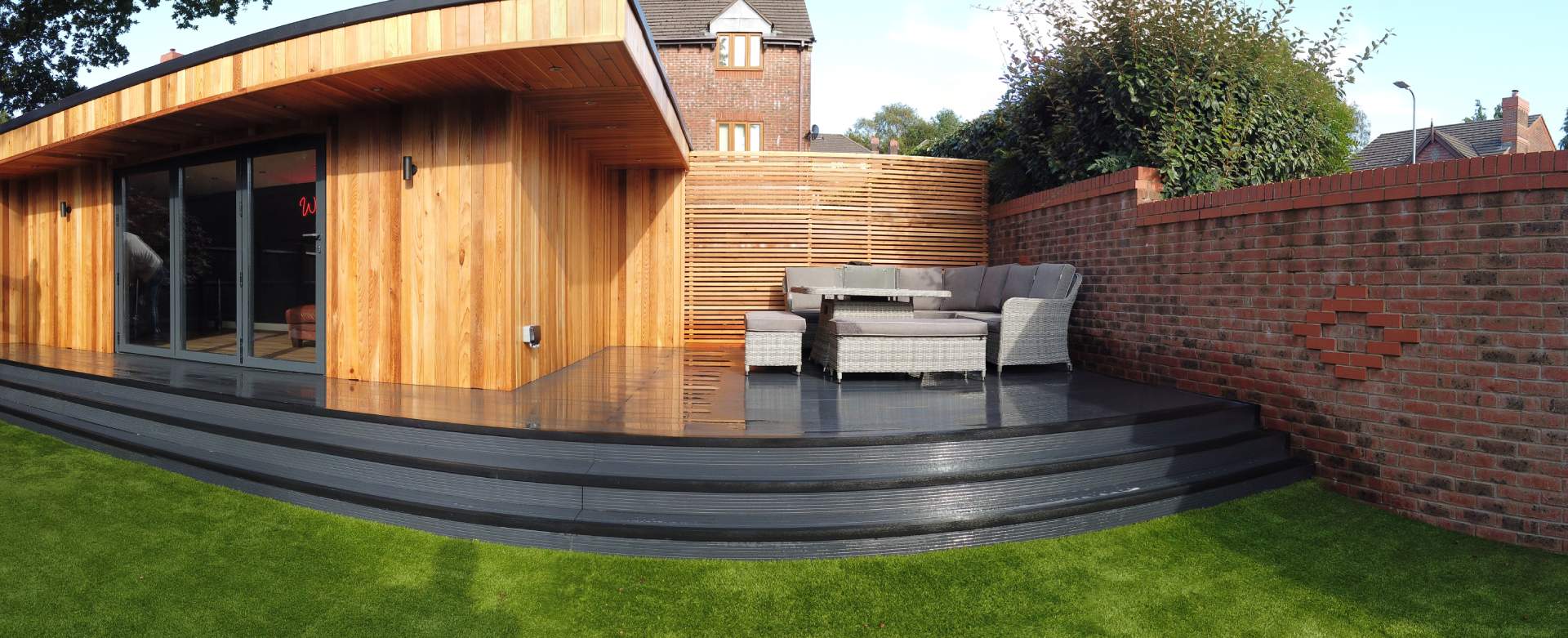
When choosing materials for your garden, safety and environmental impact are major considerations. Homeowners often ask if composite decking, with its modern benefits, is a truly responsible choice. Is it safe for families and pets? And is it better for the environment than traditional options?
In this guide, we will explore why composite decking is a leading choice for those concerned about both the environment and the non-toxic nature of the materials they use in their home.
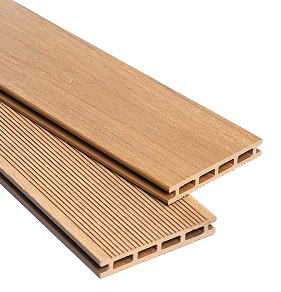
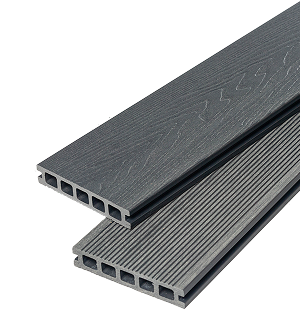
Composite decking is an engineered board made from a combination of different materials. Typically, it consists of approximately 60% reclaimed wood fibres, 30% recycled plastics (HDPE), and 10% additives and bonding agents.
The wood fibres can be sawdust, wood bark, or wood chips from other industrial processes. The plastics are high-quality recycled materials, such as milk bottles, shampoo containers, and plastic packaging that would normally end up in a landfill. These materials are blended, heated, and processed through an extrusion machine to produce a durable composite decking board that looks and feels like authentic wood, but without the drawbacks of timber.
A primary concern for any homeowner is safety. Composite decking is specifically engineered to be a non-toxic building material, free from the harmful chemicals often found in other options.
Unlike traditionally pressure-treated wood, composite decking does not contain or require treatment with toxic chemicals to protect it. The recycled plastics and reclaimed wood fibres used in its production are free from toxins, making it a safe surface for people, animals, and the surrounding environment.
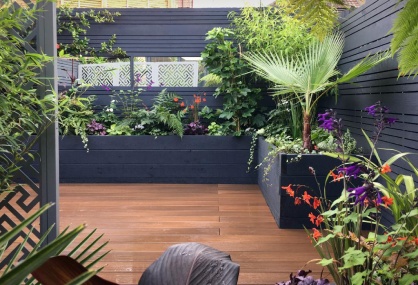
Because composite decking is toxin-free, it will not leach chemicals into your garden soil. This makes it a perfect and safe building material for creating garden beds and planters, giving you peace of mind when growing your own flowers, herbs, and vegetables.
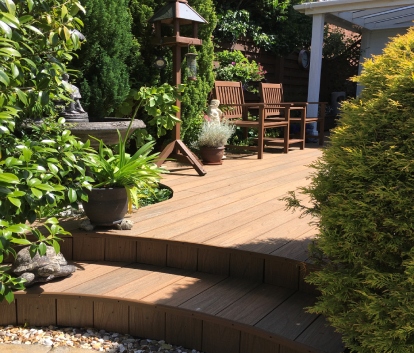
Building materials like pressure-treated timber can experience structural failure when rot sets in. Composite decking, however, is created to be resistant to weathering and cannot rot or decay. This means you don’t have to worry about structural failure from rot. Furthermore, a key safety benefit is that composite boards will never splinter, protecting the bare feet of children and the paws of pets.
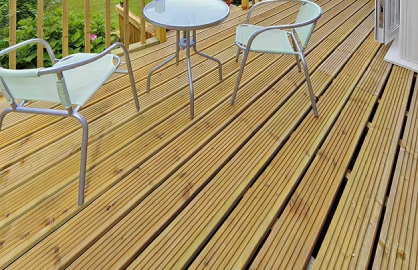
In the United Kingdom, fire safety for external attachments is strictly governed by building height. Following the March 2025 updates to Approved Document B, the threshold for banning combustible materials on residential balconies has been firmly lowered to 11 metres.
| Building Type & Height | Decking Compliance Requirement | Recommended Material |
| Houses & Buildings < 11m | No statutory ban (must meet Requirement B4). | Standard Composite (WPC) |
| Flats/Residential 11m – 18m | Banned. Must be non-combustible. | Aluminium or A-Rated Mineral |
| High-Rise Buildings > 18m | Banned. Strict non-combustible mandate. | Aluminium or A-Rated Mineral |
Beyond personal safety, it’s important to consider the wider environmental impact of your chosen material.
A biodegradable material is one that can be broken down or decomposed by living organisms like bacteria, such as untreated wood. Composite decking is an exceptionally durable material designed to last for decades by resisting this natural process. Because it is so strong and resistant to decay, bacteria and fungi will take a very long time to break it down. Therefore, composite decking is not a biodegradable material.
However, many manufacturers striving for sustainability will recycle them into new WPC boards. The composite decking recycling sector is gaining momentum, and in the future, it may be possible to send your old boards back to the manufacturer to be fully recycled into new products.
Yes. High-quality composite decking is chemically stable and does not leach toxic preservatives like CCA (arsenic), which was common in older timber. It is perfectly safe for growing edible plants and herbs.
If your building is a residential block under 11 metres tall, standard composite is generally permitted. However, if the top floor is 11 metres or higher, UK building regulations now mandate the use of non-combustible materials (Class A1/A2).
No. Unlike natural timber, which cracks and splinters as it dries out in the sun, composite is an engineered material that remains smooth, making it much safer for children’s bare feet and pets’ paws.
Choosing a modern composite material is a safe and eco-friendly choice for your garden. It is free from the toxic chemicals found in treated wood, making it safe for your family, pets, and plants. By using recycled materials, it also helps to reduce landfill waste and the need to fell trees. While it is not biodegradable, its exceptional durability means it is a long-lasting material that stands the test of time, making it one of the best decking options that does the least damage to the environment.
 Previous Article
Why Winter is the Smartest Time to Install Your Composite Decking: An Expert's Guide

A Complete Guide to Protecting & Maintaining Wooden Decking
