


 Previous Article
The Ultimate Composite Fencing Installation Guide
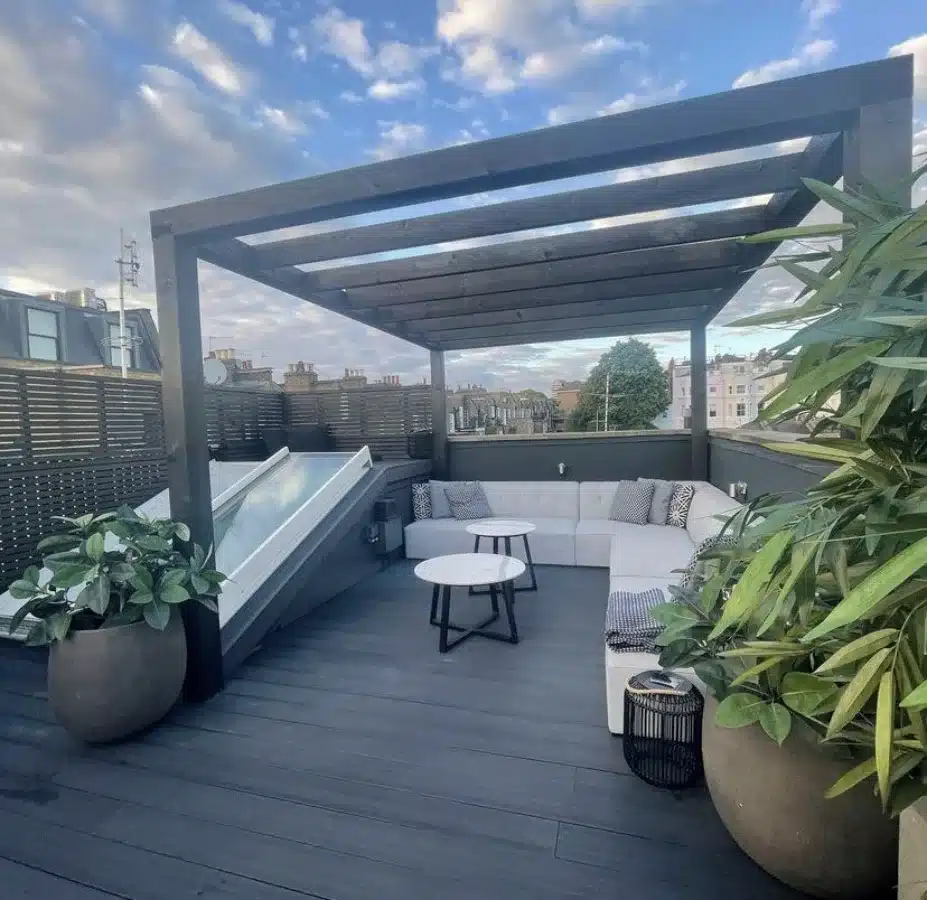
A rooftop deck can enhance, elevate, and maximise your current space, adding a true “wow factor” and a place to relax. However, in our years of supplying composite decking, we have seen that this project must be correctly checked, organised, and executed to avoid falling into the trap of complications and legal issues down the line.
When building a rooftop deck, you are not just dealing with enhanced aesthetics; you are dealing with wind loads, weight restrictions, and strict fire regulations.
To help you make the safe choice, we have drafted this engineer’s guide to the best materials for the job.
Before you choose a material, you must know the height of your roof or balcony. In the UK, laws are strict regarding what materials can be used on high-rise buildings (Building Regulations Approved Document B).
Experience Tip: When building below 18 metres—especially in the 11 to 18-metre zone—Warranty and Insurance are key. Before opting for any material, look ahead and check if it will affect your building insurance or ability to sell. This has become a huge issue in the press, and you don’t want to be stuck with a flat you cannot sell.
If you are in a high-rise building or want the ultimate in safety, this is the gold standard. In our personal view, for anything over 11 metres, you should be using Aluminium or Porcelain to protect yourself and safeguard your property for the future.
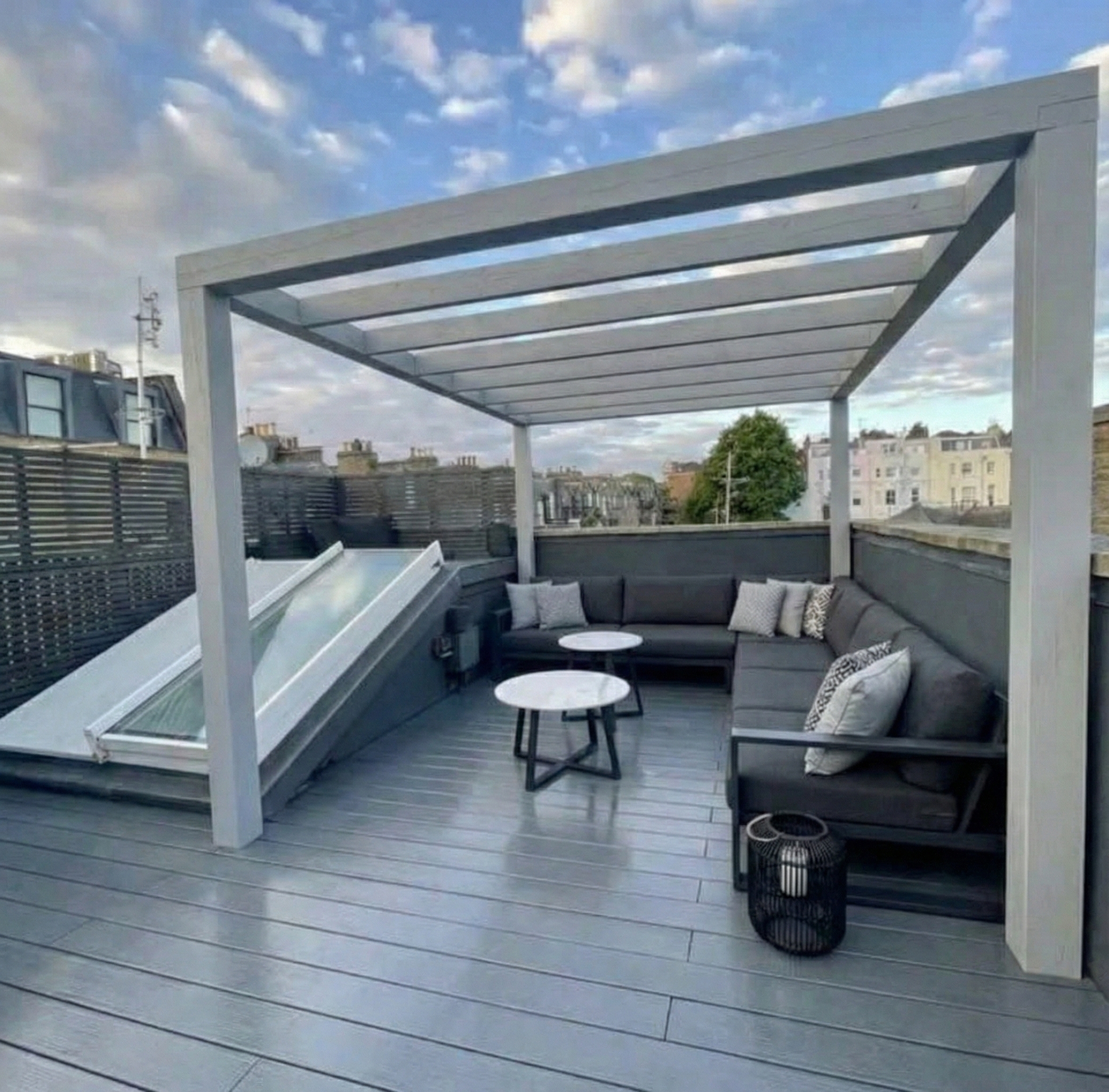
Engineer’s Note: Don’t make the error. Never install aluminium directly onto pressure-treated timber joists, as the chemicals in the wood can corrode the metal. Use an aluminium subframe.
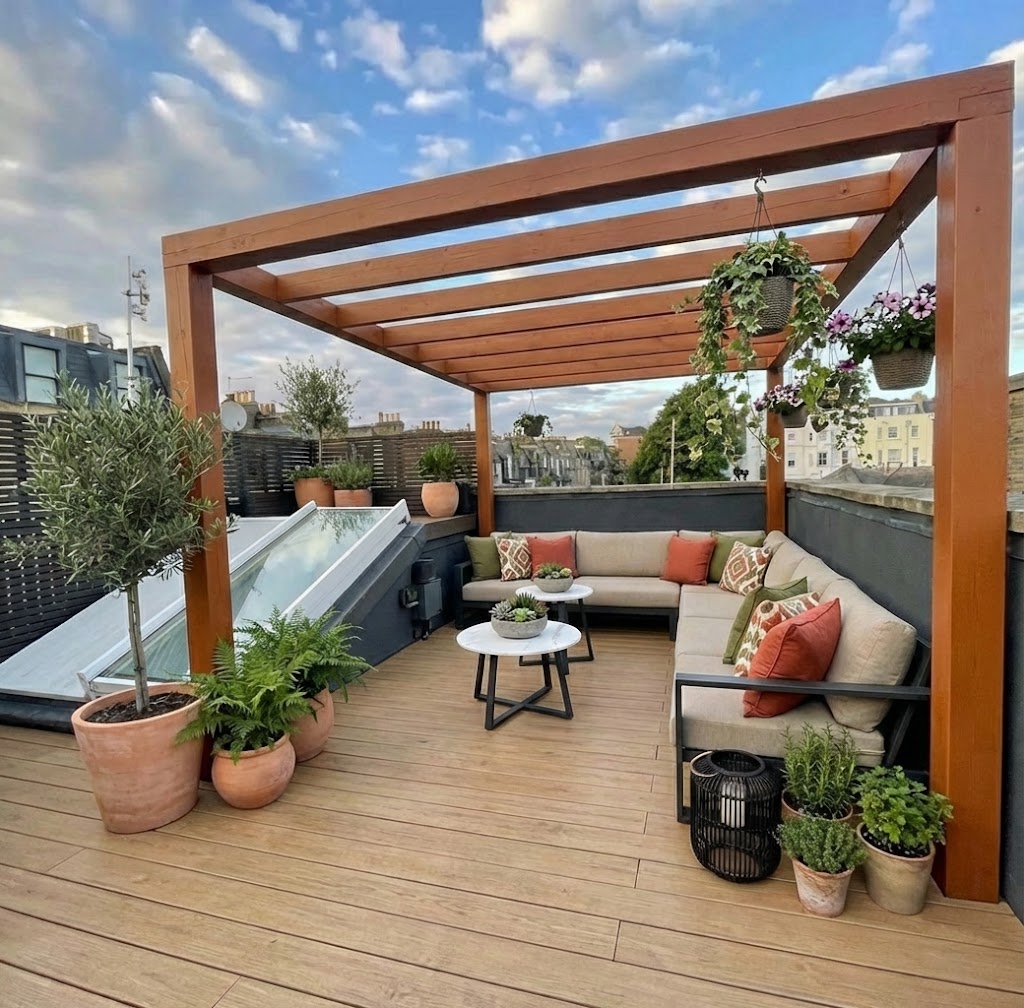
For low-rise residential roofs (e.g., a single-storey extension or garage roof), Composite is often the preferred choice due to its balance of comfort and competitive composite decking prices. If you are leaning this way, reading our in-depth decking buyer’s guide is the perfect next step.
Expert Tip: In our experience, we see many consumers opt for the cheapest option and ask questions about fire resistance after installation, when it is too late. Check your building regulations before building and ask for the correct certification reports before you even start.
PVC is a 100% plastic board. ASA PVC decking is changing this category with its enhanced aesthetic appearance and improved scratch resistance. However, note that ASA PVC generally falls into the same fire resistance category as composite (Class B being the max).
⚠️ The “American” Trap: You may see some PVC brands claiming a “Class A” rating. Be very careful. This often refers to the American ASTM standard (flame spread), NOT the UK Euroclass A1 standard. In the UK, plastic decking generally cannot achieve Class A1. Always get the UK certification.
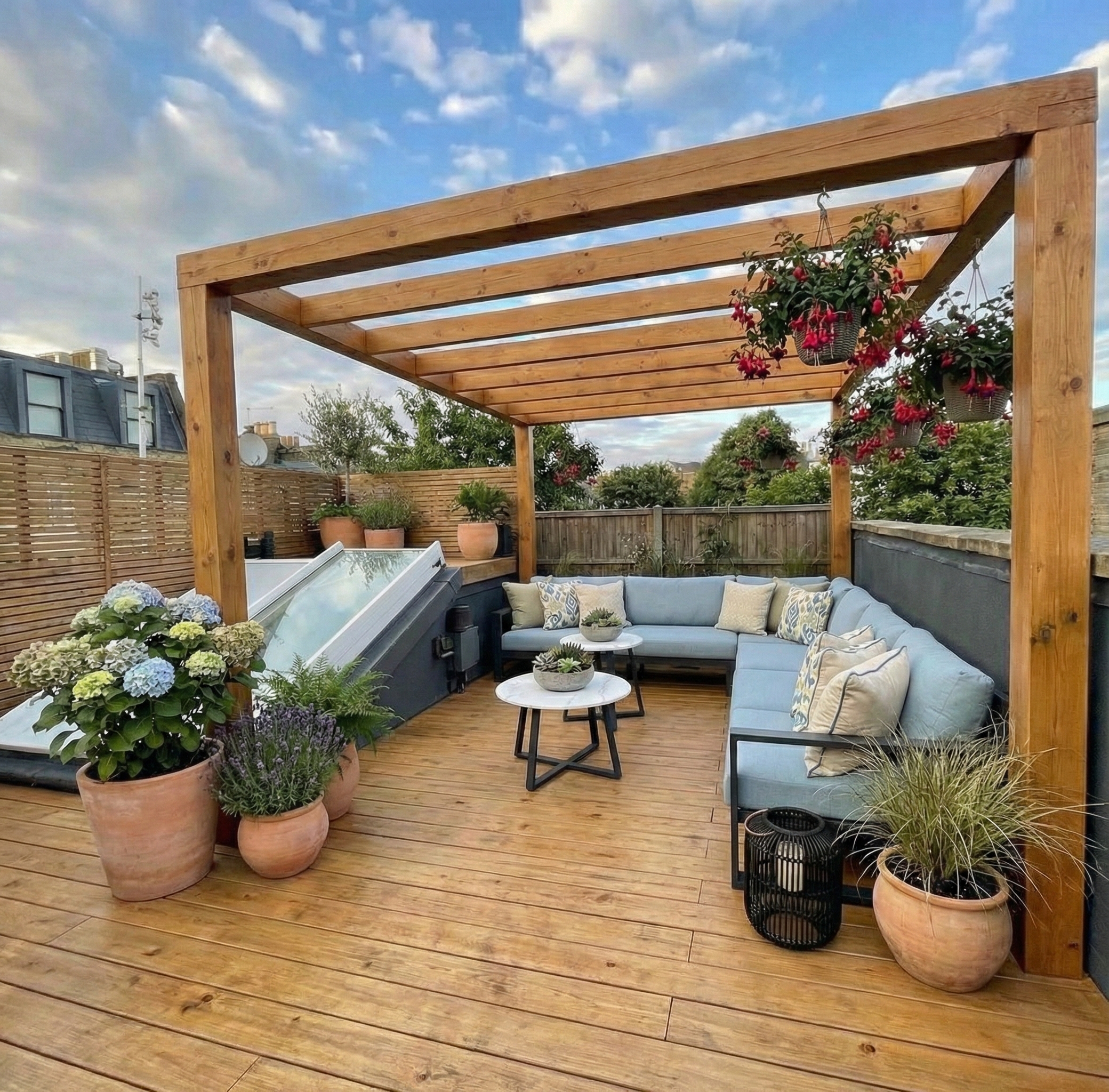
We generally do not recommend timber for rooftop decks.
The choice comes down to Height and Budget.
 Previous Article
The Ultimate Composite Fencing Installation Guide

A UK Homeowner's Guide to Replacing Wood Decking with Composite
