


 Previous Article
How to Choose Composite Decking Colour
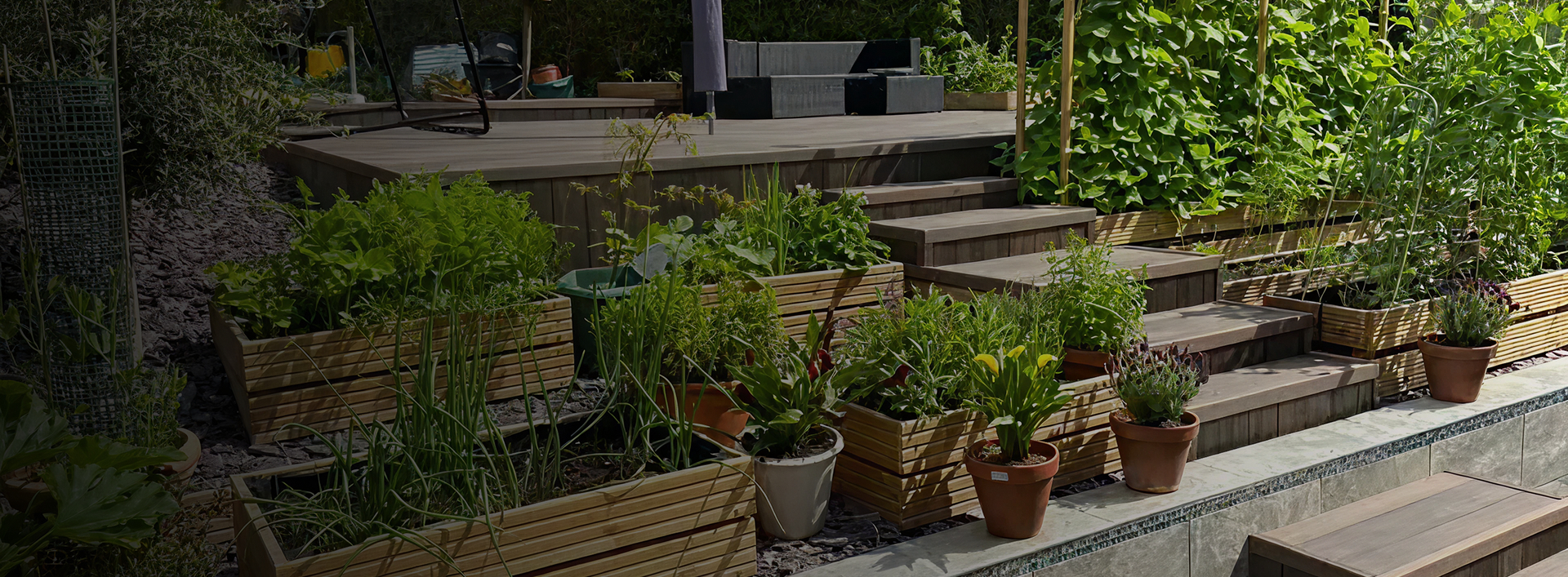
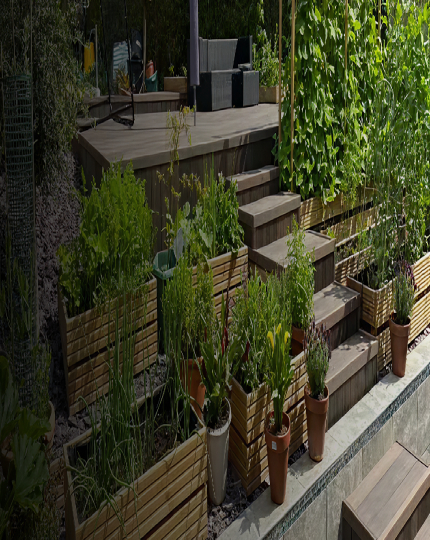
Planters and raised garden beds made from recycled composite decking are becoming increasingly popular across the UK, and for good reason. Homeowners are discovering they offer the perfect blend of modern aesthetics and long-lasting functionality.
However, when building a space to grow plants, flowers, or even vegetables, choosing the right material is critical. You need something that is durable, low-maintenance, and—most importantly—safe for your soil. This guide will show you why wood-plastic composite (WPC) is the superior choice and provides two easy methods for building your own.
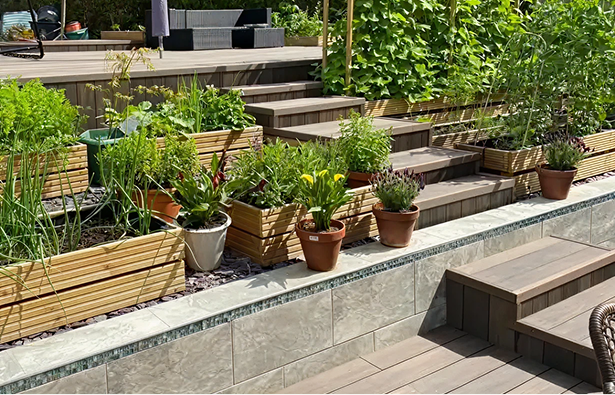
While materials like wood, brick, or metal can be used, composite decking stands out as the ideal material for raised garden beds, primarily due to its durability and non-toxic composition.
The main concern with traditional timber is the use of pressure-treated wood. Older treatments (CCA) contained chemicals that could leach into the soil, while even modern treatments (ACQ) are not recommended for vegetable gardens without a protective liner.
Wood-plastic composite decking, made from a mix of recycled plastics and reclaimed wood fibres, contains no toxic chemicals. This makes it perfectly safe for growing your own vegetables, herbs, and flowers.
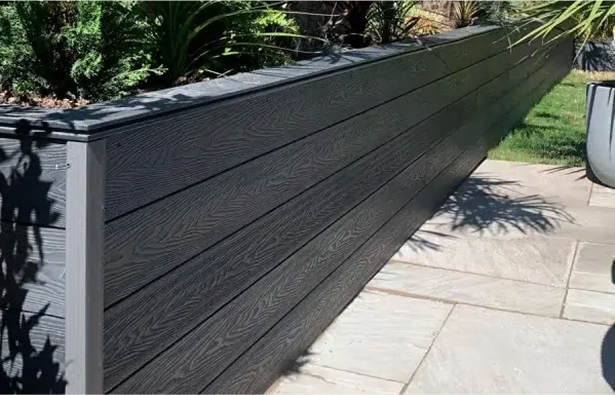
Composite resists moisture, so it won’t crack, rot, or decay over time like wood. Your planter will last for decades.
There is no need for annual painting or staining. A simple clean is all that’s required to keep it looking great.
Unlike wood, composite material is not susceptible to damage from insects.
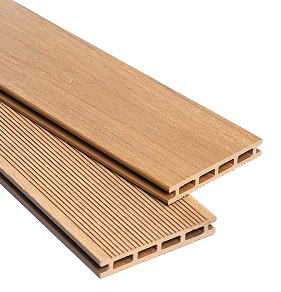
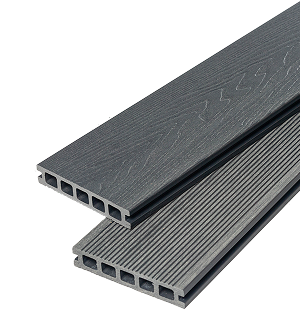
Using leftover decking boards means your new planter will perfectly match your existing decking, creating a seamless, high-end look.
Method 1: The Easy Kit (No Tools Required)
For a fast and simple project, a pre-made composite planter kit is the perfect solution.
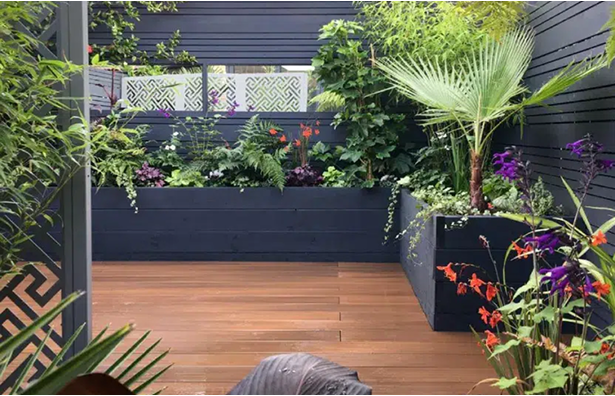
Building a custom planter from scratch or with leftover decking boards is a highly rewarding DIY project.
Whether you use a simple kit or build a custom planter from leftover composite decking, you can easily create a beautiful, functional, and long-lasting feature for your garden. Using composite ensures your raised beds won’t leach chemicals, won’t rot, and will perfectly complement your outdoor space for decades to come.

As the founder and CEO of Ultra Decking®, Allan Jeffrey is a recognised expert and leading innovator in the field of wood-plastic composites, backed by a successful business career spanning over 40 years. His foundation in engineering (BSc. Hons) is the driving force behind the company’s commitment to technical excellence and ground-breaking product development.
Through premier brands like Ultra Decking® and the pioneering BioSyn™, Allan’s vision is to supply discerning clients with luxurious, sustainable building materials that perfectly match their lifestyles and values.
Previous Article
How to Choose Composite Decking Colour

How to Remove Wooden Decking Boards: A UK DIY Guide (2026)
