


 Previous Article
What is the Best Composite Fencing?
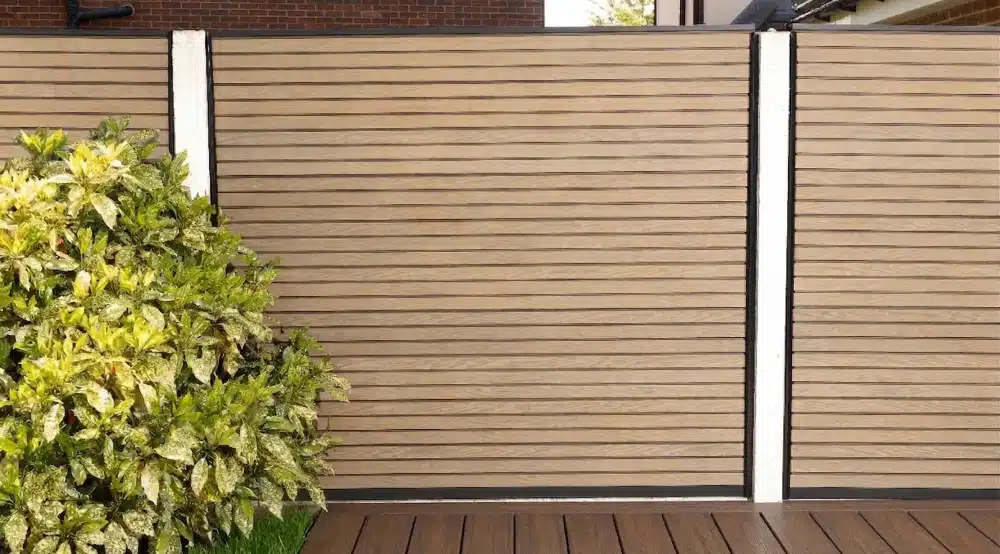
If you are looking to upgrade your garden space, understanding the costs of a fencing refresh helps you to weigh up the best choice. Costs of composite fencing can range from £59.99 to £249.99 per panel kit.
Because prices vary heavily based on size and type, it helps to look at exactly what you get for your money. For example, a 3ft fence panel kit designed for existing concrete posts sits at £59.99, whereas a full 6ft composite fencing kit complete with new aluminium posts reaches £249.99 simply due to the increased volume of heavy-duty material required.
However, the best and most cost-effective option for the vast majority of homeowners is composite fencing designed for existing concrete posts, which typically ranges from £119.99 to £159.99 depending on your chosen style and design. With up to 80% of UK consumers already having concrete posts in their gardens, this is often the smartest route to take. In our professional experience, this specific solution is incredibly long-lasting, seamlessly blending modern composite enhancements with the robust, established foundation of concrete posts.
Whilst initial upfront material costs begin higher than traditional timber, composite fencing completely eliminates the need for painting, staining, and sealing. When evaluating composite fencing vs wood costs, the investment quickly pays for itself by removing years of costly seasonal maintenance and premature panel replacements.
To help budget accurately for your project, we have broken down what influences the price of composite fencing and any hidden costs you need to watch out for.
The biggest mistake made by homeowners is to buy the cheapest board, without first understanding the board’s profile which will explain its low cost.
A standard, budget competitor board often sits at a flimsy 15mm or 18mm thick. Whilst the upfront cost is lower, these thinner boards are prone to bowing and snapping when faced with high winds or debris impact.
Our premium panels are engineered with a heavy-duty 20mm thickness, and whilst that extra 2-5mm of core material might cost you slightly more, it has double the structural strength in an outdoor setting, ensuring it stands strong for decades.
When comparing prices, the most influential cost variable is how the board is manufactured. Generally, this choice is between the standard “uncapped” and premium “capped” boards:
Even within uncapped ranges, the external surface texture applied to the board affects its final price tag.
This advanced process creates a richer, natural appearance and colour profile providing enhanced colour consistency across the board’s lifespan. However, the specialised production techniques required for this carry a slightly higher price point than a basic sanded board but deliver a superior long-term aesthetic, providing the user with a premium feel to their garden space.
Our composite fencing uses a modular system for its construction. This involves a variable set of interlocking individual boards that insert into one another, allowing you to customise your fence to a desired height.
The price of the kit is directly influenced by your choice of fence height, determining the number of boards needed to achieve it; this design feature allows price and user flexibility, rather than a static price for one fixed height.
A standard 3ft (approx. 0.9m) decorative boundary fence of this kind requires roughly half of the composite boards of a full 6ft (1.8m) privacy fence. Whilst the frame components (such as your top and bottom finishing rails) remain the same, the price difference between a 3ft kit and a 6ft kit comes down to the physical volume of 20mm heavy-duty material needed to reach that height.
The existing garden layout that you have plays a massive role in determining your final budget and which fencing kit is most suitable for you:
If you’re unsure which setup is right for your garden, comparing the different composite fencing kit systems will help you determine the exact materials needed for either existing concrete posts or a brand-new aluminium frame.
The location and environment of your garden can impact your fencing material requirements. If your garden setting is close to open fields or exposed to high winds, you may need structural reinforcements.
This often means upgrading to heavy-duty aluminium posts rather than weathering concrete, or utilising steel reinforcement rods that insert into the hollow portions of the boards, to prevent flexion during 60mph UK gusts.
Always factor your specific environment into your fencing budget.
Need a precise quote for your garden? Don’t guess – Head over to our Fencing Area Calculator and input your garden dimensions to get an exact material count and price in seconds!
The final cost of your composite fencing ultimately depends on the design, style, and setup options you choose. For example, a 3ft kit for existing concrete posts starts at £59.99, while a standard 6ft kit for existing concrete posts normally lands in the region of £119.99 to £149.99. However, always pay close attention to the board thickness you are getting for that price; a lower thickness means you are sacrificing essential strength and durability.
If you are starting from scratch, a completely new kit featuring aluminium posts will typically start from £184.99 and go up to £249.99. Alternatively, some suppliers sell full kits with composite posts starting from around £160 for a standard 6ft fence including all parts.
Comparing the system, style, and material type on a strict like-for-like basis is important to ensure you understand the exact value of the deal you are getting and that it best meets your needs. We hope this guide supports your project planning. Why not review our composite fencing collection, or give our team a call for more support and expert advice?
 Previous Article
What is the Best Composite Fencing?

How Stain-Resistant is Composite Fencing? An Engineer's Guide
