


 Previous Article
Does Composite Fencing Fade? The Honest Truth Fading Fence Panels
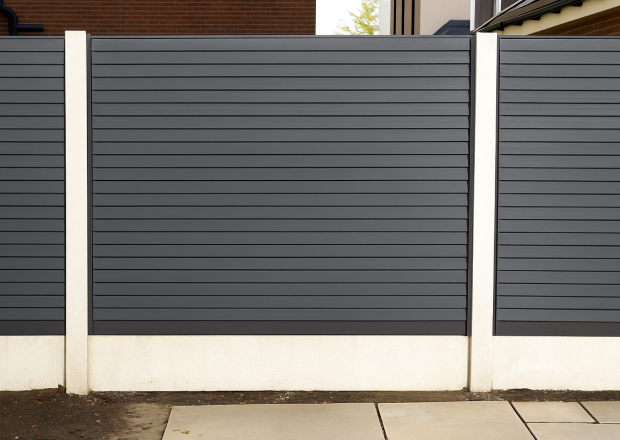

Composite is a durable material known for its longevity and is the superior alternative to traditional timber. Homeowners seek out composite fencing for the freedom it provides—it is far less demanding and labour-intensive than wood.
However, does this mean composite fencing is maintenance-free?
The Honest Answer: No. It is low maintenance, but not zero maintenance.
Most people believe that because manufacturers advertise “little maintenance,” they can ignore the fence entirely. In reality, wood plastic composite fencing requires a minimal level of upkeep to preserve its structural integrity and “just-installed” beauty.
| Feature | Timber Fencing | Ultra Composite Fencing |
|---|---|---|
| Annual Labour | Sanding, staining, painting, and oiling. | Simple wash and rinse. |
| Cost Over Time | High (brushes, stains, oils every year). | Near zero (soap and water). |
| Time Investment | Full weekends of "mundane chores." | 30–60 minutes. |
| Colour Retention | Fades quickly without chemical help. | Built-in UV resistance. |
Like all outdoor materials, cleaning is a must. If you have uncapped fence boards, our recommendation is a monthly clean. Why? After nearly a decade of selling composite and enhanced composite fencing, we have learned that uncapped boards need regular maintenance to retain their beauty and structural strength. Capped boards, however, only require a quarterly clean to ensure algae and stains don’t have time to settle.
What You Will Need:
Step 1: Dry Sweep, Debris & Area Removal
Before adding water, use your soft-bristle brush to sweep away loose leaves, cobwebs, and dried mud. Don’t forget to clear the surrounding area so you have full access to the base of your fence.
TOP TIP: Why no water? Adding water to dry dirt creates a “sludge” that can get pushed deeper into the woodgrain texture. Always clear the surface dry first.
Step 2: The Initial Rinse
Use your garden hose on a medium-pressure setting to rinse the entire fence, working from the top to the bottom.
Step 3: The Soapy Scrub
Dip your soft brush into the warm, soapy water and apply it to your fence.
Top Tip: If grease marks aren’t moving after 5 minutes, try adding vinegar and baking soda directly to the spot. Wait for the “fizz” during the reaction and scrub at that point for the best results.
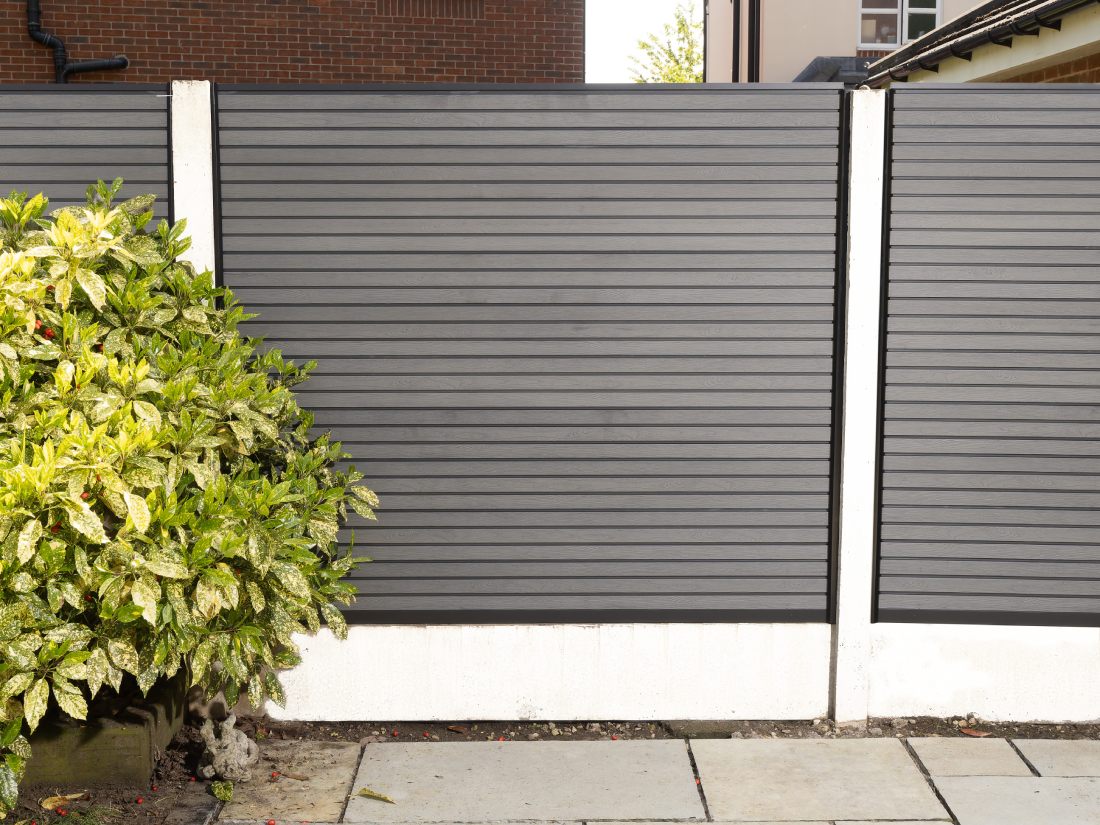
Step 4: The Final Rinse & Air Dry
Rinse the fence thoroughly with clean water. Ensure all soap suds are gone, as dried soap can leave a white, “filmy” residue that dulls the color of your boards. Finally, allow the fence to air dry naturally.
If mud builds up, simply brush it away with a soft bristle brush. For a deeper clean, a water-soaked cloth or a gentle hose-down will suffice.
Mould and mildew are fungi. While mildew sits on the surface, Black Mould is the real enemy of wood, eating deep into the layers.
Natural wood oils (tannins) may leach out of the material in the first 6 months, appearing as tea-coloured stains. This is a natural, expected part of your fence’s life cycle.
When clearing snow, always use a plastic-headed shovel. Metal shovels will scratch the composite surface. Even with plastic, avoid being too abrasive to protect the finish.
Unlike wood, composite is resistant to absorbing fats, making them easier to remove.
If staining is one of your main concerns, knowing how stain-resistant composite fencing is will help you understand the difference between capped and uncapped surfaces. We also share our in-house test results, reviewing common spills and drops to see exactly what happens after 24 hours.
Maintenance is the key to the lifespan and durability of any outdoor product. Don’t fall into the trap of the “sales fluff” claiming composite fencing never needs attention—it simply isn’t true. To get the most out of your investment, you must pay attention to the specific type of composite you choose:
The Golden Rule: Even though capped boards are highly resistant to stains, never leave organic material or chemicals on the surface for long periods. A little effort once a month or once a quarter will ensure your Ultra Decking fence looks as good in ten years as it does today.
 Previous Article
Does Composite Fencing Fade? The Honest Truth Fading Fence Panels


The Ultimate Composite Fencing Installation Guide
