


 Previous Article
Ultimate Guide to Composite Decking Types
Choosing the right fastener is one of the most critical decisions when learning how to build decking. The method you use will affect your composite decking boards final appearance, its durability, and even how easy it is to make repairs in the future.
In this article, we’ll walk you through the pros and cons of nails, screws, and modern hidden fasteners to help you make the right choice for your project.
Choosing the right way to fix your boards is just as important as choosing the boards themselves. To help you decide, here’s a quick comparison of the main fastening methods used for decking in the UK.
| Products | Decking Nails | Screws (Face-Fixing) |
Hidden Fasteners (Clips)

|
|---|---|---|---|

|
|
|
|
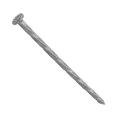
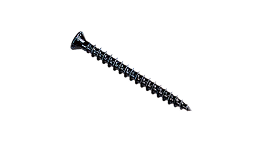
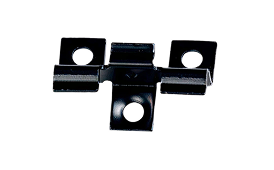
| Primary Use | Structural Subframe & Traditional Timber Decking | Solid Composite Boards & TimberBoards | All Grooved Composite Decking |
| Aesthetics | Visible heads can look rustic | Visible heads; can be countersunk for a flush finish. | Completely invisible a seamless, modern finish. |
| Holding Power | Good (but can pop out over time as wood moves). | Excellent grip strength. | Excellent (securely locks the board in place). |
| Our Verdict | Essential for metal hangers only. Use Structural Timber Screws for the main frame. | A good option for solid boards but requires pre-drilling. | The best choice for all our compositedecking boards. |
⚠️ Critical Material Choice: Avoid the “Rust Trap” In the damp UK climate, standard zinc-plated screws will rust and eventually snap under the pressure of the deck moving.
Our Recommendation: Always use Organic Coated Decking Screws (often green or black) which are salt-spray tested for 1,000+ hours.
Coastal Areas: If you live within 5 miles of the sea, you must use A4 (Marine Grade) Stainless Steel screws. Anything else will corrode within 12-24 months.
Our Expert Recommendation: While screws are crucial for building the subframe, for securing the actual decking boards to the frame, we strongly recommend hidden fasteners. They provide a far enhanced aesthetic, increased safety (no raised heads), and a more secure, long-lasting finish for your composite decking.
For modern composite decking, the best practice is to use a hidden fastener system. However, its important to understand all the options.
Exceptional Durability: Nails have excellent shear strength, meaning they can bend under pressure without snapping. This makes them suitable for structural parts of the subframe, like attaching joist hangers.
Poor Grip: They have poor grip strength. Over time, as boards expand and contract, nails can work themselves loose and pop up, creating a snagging and safety hazard. They also leave a visible head on the deck surface.
Decking Screws & Hidden Fasteners
For fixing the in particular composite deck boards, you have two modern options: a hidden fastener system or screwing directly through the face of the board.
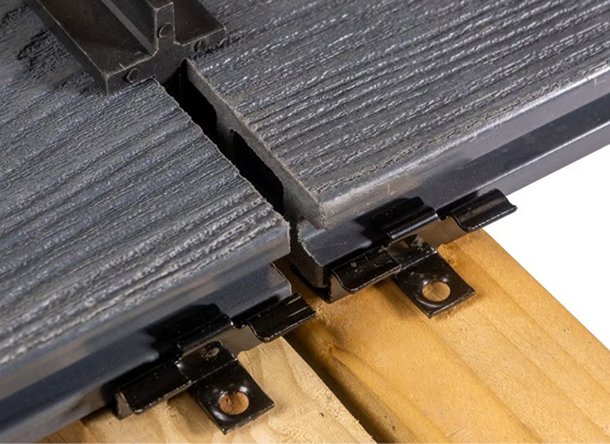
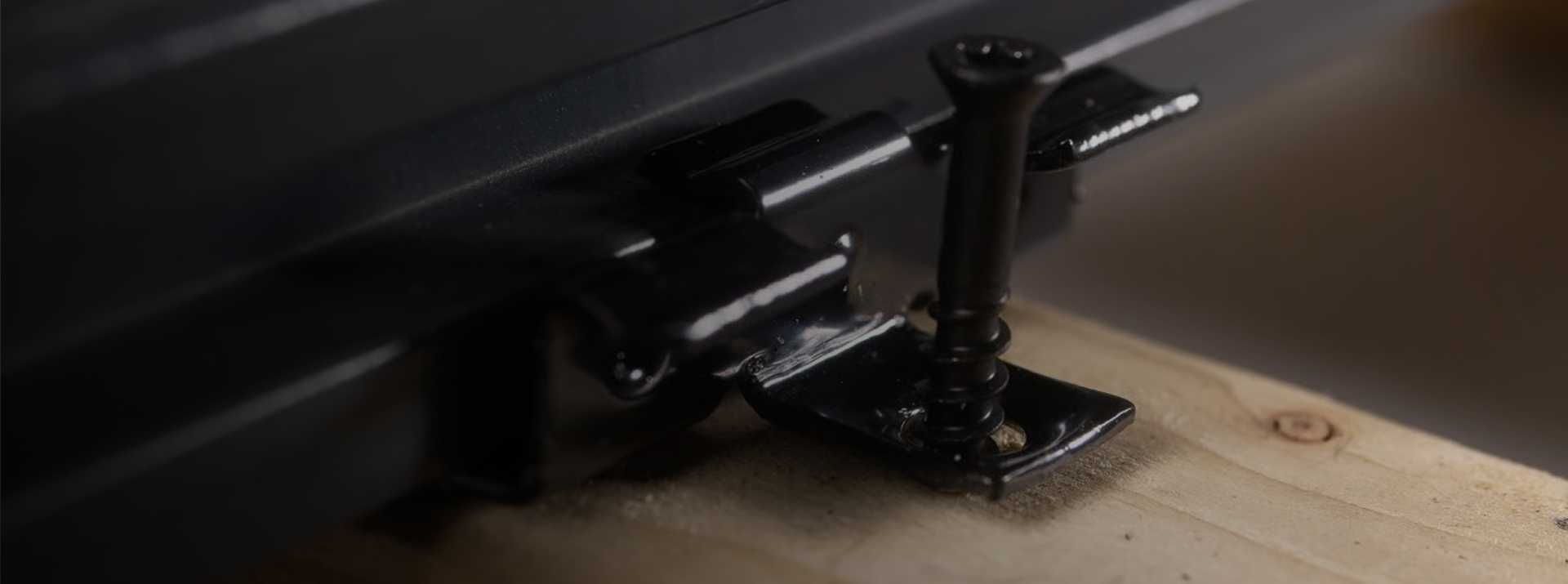
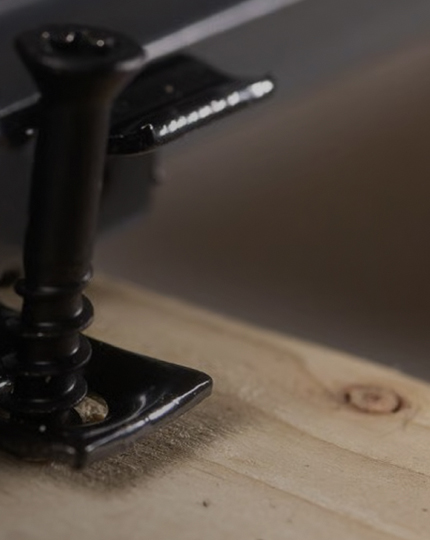
The best practice for a professional finish is to use a hidden fastening system. These are clips (like our Ultra-Clip) that fit into the side groove of the decking board and are then screwed into the joist
There are no visible screw heads on your deck, providing a clean, high-end look
This method doesn’t puncture the top surface of the board, maintaining its protective layer.
With certain plastic T-Clips, a single damaged board can often be replaced without ripping up the rest of the deck.
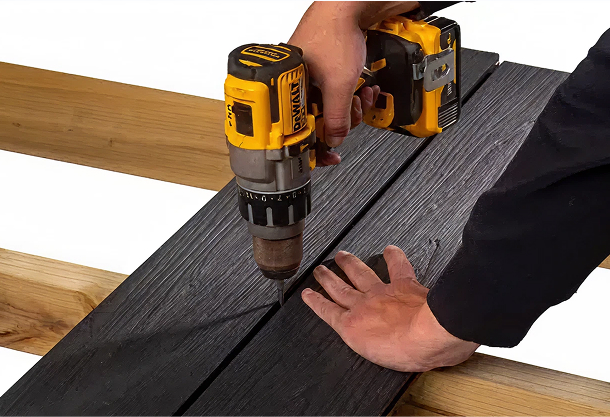
If you choose to screw directly through the face of a solid composite board, you must use specialist composite decking screws. These are designed to prevent damage and typically feature:
A Type 17 drill point to prevent splitting.
A coarse thread for a stronger grip.
A reverse upper thread to prevent “mushrooming” (where material pushes up around the screw head).
A concave head to ensure a perfectly flush finish.
Aesthetic Tip: Colour-Matched Screws If you must face-fix solid boards, avoid shiny silver screws that catch the eye and look “industrial.” We recommend using Composite Screws with Coloured Heads (e.g., Grey, Brown, Teak) that match your specific decking board. This helps the screw heads disappear into the surface for a cleaner, high-end finish.
You should NEVER screw directly through the face of hollow composite decking boards. This will compromise their internal structure and can lead to the board cracking or splitting over time. Unlike solid timber, hollow boards have thin walls. Screwing through them creates a leak point where water enters the internal chambers.
The Freeze-Thaw Risk: In winter, this trapped water freezes and expands, causing the board to split or crack from the inside out.
The Rot Risk: It also leads to water pooling on the joist, rotting the timber subframe over time.
The Look: It causes unsightly “mushrooming” where the plastic bulges around the screw head.
Always use clips for hollow boards.
Even with the best installation, you may one day need to make a repair. Here’s how to tackle the most common issues.
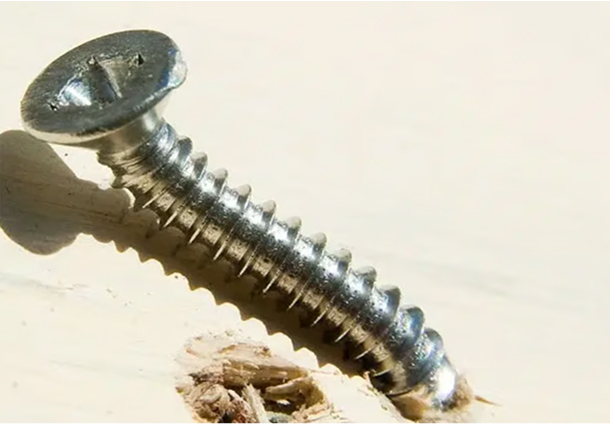
If a screw head becomes damaged, making it impossible to remove with a drill, here are three methods to try:
If the screw head is raised even slightly, firmly grip it with a pair of locking pliers or vice grips and slowly turn counter-clockwise to back the screw out.
Place a thick rubber band over the stripped screw head. Press your drill bit firmly into the rubber band and drill slowly in reverse. The rubber can often fill the gaps and give the bit the extra grip it needs to remove the screw.
A screw extractor set is a specialist tool designed for this job. One end drills a new hole into the damaged screw head, and the other end has a reverse thread that bites into that new hole to pull the screw out.
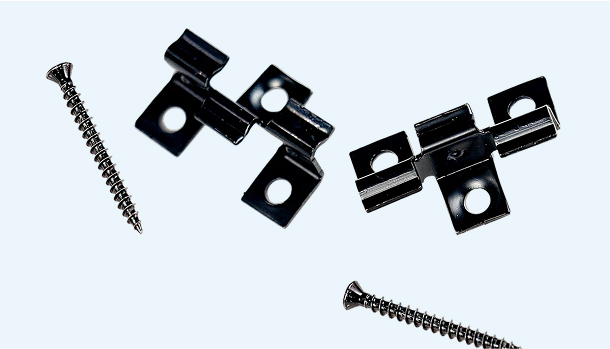
The method depends on the type of clip you used.
Scenario A: Plastic T-Clips (Easier)
The Fix: The screw heads are usually visible in the gap between boards. Simply use a long drill bit to unscrew the clips on both sides, lift the old board out, and slide the new one in.
Scenario B: Slim Metal Clips (Professional)
The Fix: The screws are hidden under the adjacent board, so you cannot unscrew them.
Pro Tip: Retrieving Lost Items (The “Strip-Back” Method) Only use this method if you need to save the board (e.g., to retrieve lost keys). Be warned: this is time-consuming. Because hidden clips interlock, you cannot simply lift one board in the middle. You usually need to unscrew and lift the decking boards starting from the nearest outer edge and work your way back to the target board. Trying to pry a single board out from the middle often damages the grooves of the surrounding deck.
Choosing the right composite decking for your new project is important, but don’t skip choosing the right fastening system, as this plays a critical role in the deck’s lifespan and overall appearance. For the best visual and long-lasting performance, our recommendation will always be to use hidden fasteners with any composite decking board.
 Previous Article
Ultimate Guide to Composite Decking Types

Which Outdoor Material is the Best?
