


 Previous Article
What is the Best Non-Slip Decking? A UK Expert Comparison

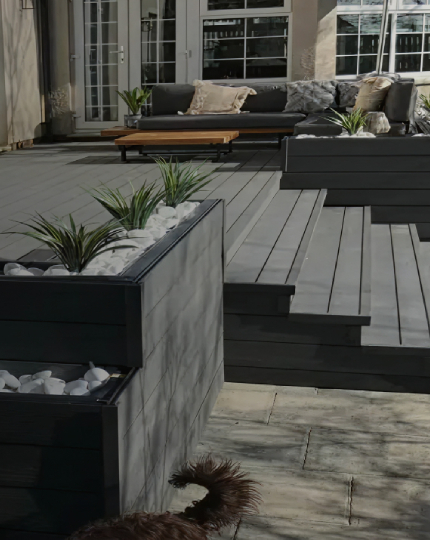
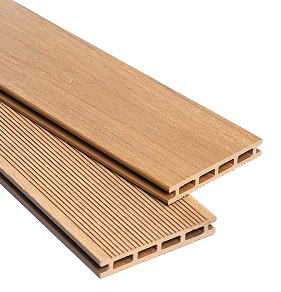
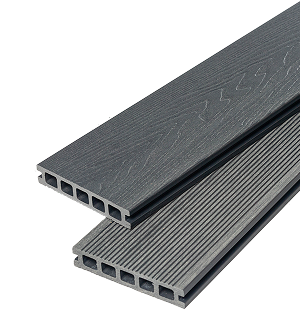
Choosing the “best” composite decking can feel like a complex task, whether you’re a homeowner envisioning a new outdoor space, a professional builder, or a property developer. With the diverse range of plastic decking materials available, discerning quality and value often comes down to understanding what distinguishes different brands.
The market for composite decking, particularly in the UK, offers numerous options, from internationally recognised names to more localised suppliers. This abundance naturally leads to a common question: Which brand of composite decking is truly the best for my needs?
There isn’t a single “million-pound answer” that fits everyone. The “best” choice is highly subjective, depending on factors such as your priorities for service and support, your budget for value versus luxury, and your specific aesthetic preferences.
The key is to conduct thorough research and align your decision with your unique project requirements and financial plan. A great place to start is our decking buyer’s guide.
It’s crucial to understand that not all composite decking boards are created equally. Manufacturers use varying qualities of raw materials and different production processes, which directly impact the final product’s durability and performance.
Initially, many composite decking boards may appear similar in appearance. However, the true measure of a brand’s quality reveals itself over time.
The long-term performance of a composite deck in real-world conditions by actual customers is arguably the most reliable indicator of its quality. To gain this insight, we strongly recommend exploring customer reviews and comments on various forums and community platforms. Look specifically for feedback from individuals who have had their decking installed for several years to understand how different brands genuinely perform over extended periods.
The Reality of Cost: In the UK market, composite decking brands span a wide spectrum. You’ll find brands renowned for exceptional service and value, others known for their luxurious appeal at a premium price point, and some offering more budget-friendly options that may, however, compromise on material quality.
The adage “you get what you pay for” often holds true in this industry. It’s generally advisable not to compromise long-term quality for immediate cost savings, as a seemingly “cheap” initial investment can often lead to more significant expenses down the line if the product fails prematurely.

To help you make an informed decision, consider these critical factors when evaluating different composite decking brands and materials:

To help you make an informed decision, don’t just look at samples—stress test them.
Expert Tip 1: The “Boil Test” Simply pouring cold water or scratching a sample won’t reveal much. In our experience, you need to simulate real-world stress. We recommend—if safe to do so—boiling your samples in water for a short period.
Expert Tip 2: Independent Testing (The “Quick Scratch Test”) We have been supplying composite decking for numerous years, and while our products surpass our own internal testing, the most convincing results often come from our customers.

Composite decking boards often come with a range of beneficial features that can vary significantly between brands. For instance, many premium brands offer enhanced resistance to:
Fading: Due to advanced UV inhibitors in the capping layer.
Stains: From common spills like oil, grease, or red wine.
Slips: Through textured surfaces or specialised finishes.
Scratches: With durable outer shells (capping).
Mould and Mildew: Through low moisture absorption and protective layers.
Evaluate which specific features are most important for your climate, usage, and decking maintenance expectations. A highly durable board might lack superior fade protection, or vice-versa. Understand the full “features, advantages, and benefits” (FAB) of each brand’s offerings.

For many homeowners, contractors, and developers, reliable customer support is a pivotal factor. Consider brands that demonstrate:

Marketing brochures can say anything. To find out if a brand really knows their stuff (or if they are just drop-shipping boxes from a warehouse), there are specific questions you can ask.
Based on our years of learning and improvement, we know that these questions separate the true experts from the inexperienced sellers. Ask these three specific questions to test their knowledge.
Why ask this? All composite decking expands in the heat and shrinks in the cold. It is a fact of physics. The rate of expansion determines the gap you must leave during installation. An experienced supplier will know their exact gap requirements by heart.
The Wrong Answer: “Oh, our boards are stable, they don’t really move.” (This is either a lie or ignorance).
The Right Answer: “Yes, our boards have a linear expansion rate of [X]. For a 4m board, you need to leave a [Y]mm gap at the ends.”
Our Learning: If they can’t send you a datasheet or don’t know what EN 15534 (the European Standard for composite materials) is, walk away. They likely haven’t tested their own product.

Why ask this? This tests their honesty versus their desire to upsell you.
The “Upsell” Answer: “You should always buy Solid boards. They are the best and strongest.” (They are likely just trying to sell you the most expensive item).
The Expert Answer: “For a standard residential garden, a high-quality Square or Circular Hollow board is often the smartest choice. It provides enough strength for long-term use. You only really need Solid boards for heavy commercial steps, or if you plan to curve the deck.”
My Input: A Square Hollow board is often the “budget” option. A Circular Hollow design is an engineering upgrade that increases strength without the full cost of solid. If they don’t explain this distinction, they are just shifting boxes.
Why ask this? Not all “plastic” is the same.
The Vague Answer: “It’s just recycled plastic.”
What We Know: We use Grade A High-Density Polyethylene (HDPE). It offers the best balance of stiffness and impact resistance.
The Warning: If a supplier doesn’t know this, there is a good chance their supply is driven purely by price, meaning LDPE (Low-Density Polyethylene) could be used. LDPE is softer and far less durable in the UK climate.
Beyond a brand’s own marketing, real-world customer comments and reviews are invaluable.
Research Platforms: Consult independent review websites like Trustpilot or Feefo.
Community Engagement: Explore dedicated composite decking communities, forums, and social media groups where users share their long-term experiences.
Focus on Longevity: Be mindful of reviews that focus solely on initial delivery or installation. While important, prioritise feedback discussing how the product has performed after several years of service, including any issues with fading, warping, or deterioration.
Warning Sign: Be wary of overly positive reviews that lack specific details or appear generic, as well as brands with numerous complaints about product failure after a short period. A well-researched decision will help you avoid potentially costly pitfalls.

 Previous Article
What is the Best Non-Slip Decking? A UK Expert Comparison


Ultimate Guide For Type Composite Decking
