


 Previous Article
A Buyer's Guide to Composite Fencing Kits (2026)
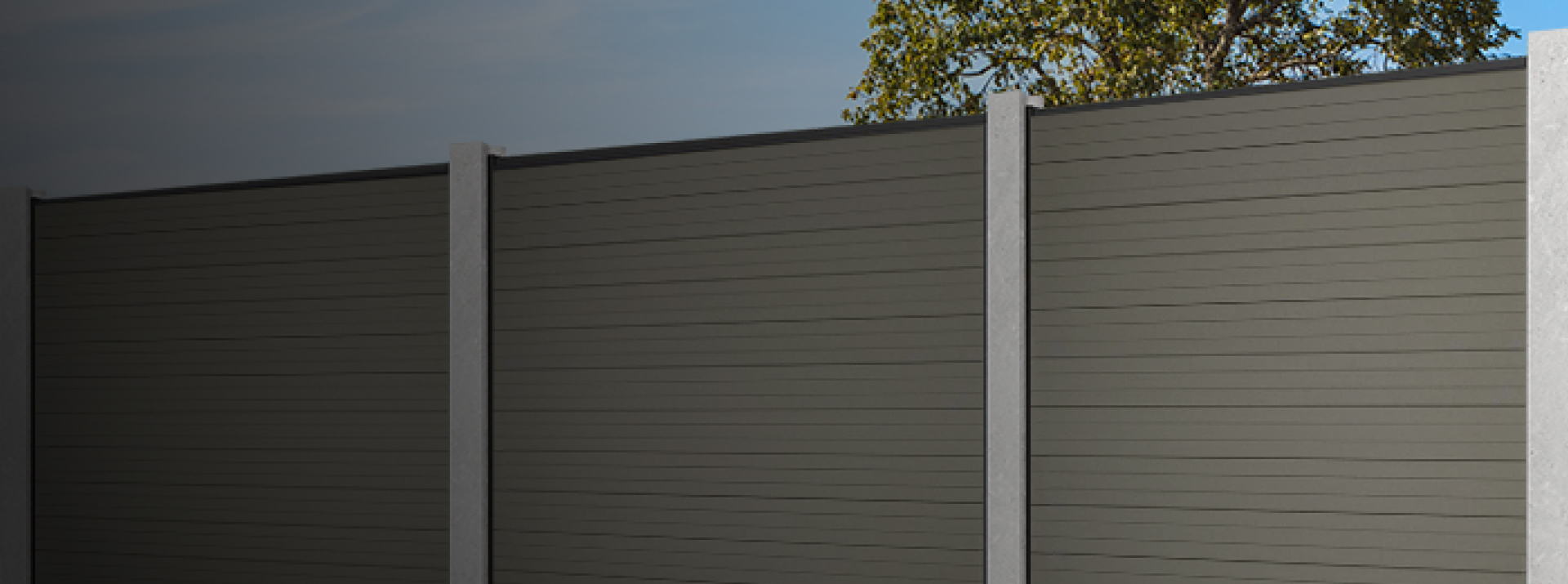
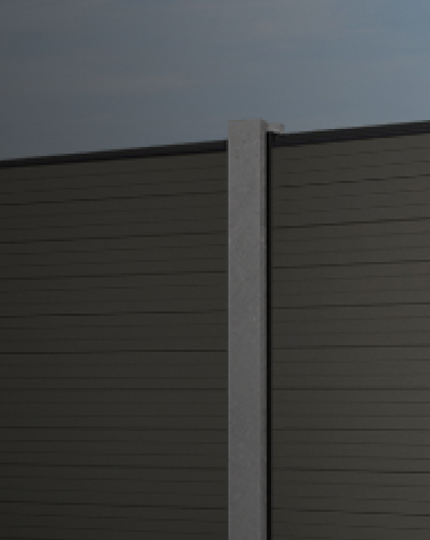

With the rise of composite materials, composite fencing has entered the fencing sector: a solution that never needs painting, sealing, or staining. It’s a fencing solution that retains its colour year after year and enhances your garden without the worry of it ever cracking or splintering—a true “fit and forget” product.
But if you’re anything like us, you want to know what this truly means for you. In this definitive guide, we’ll break down the real-world benefits we see from customer feedback, and the honest considerations you should be aware of.
This is why thousands of UK homeowners are making the switch to composite.
This is the number one advantage. Composite fencing is a hassle-free product that gives you more leisure time to relax and enjoy your garden. There is no need for the annual cycle of sanding, staining or painting, and its cleaning and maintenance requirements are relatively straightforward.
What this means for you: Imagine getting your weekends back. Imagine never looking at a worn, dull, and tired fence panel again. A simple, regular clean with hot, soapy water is all that’s needed to keep it looking fantastic.
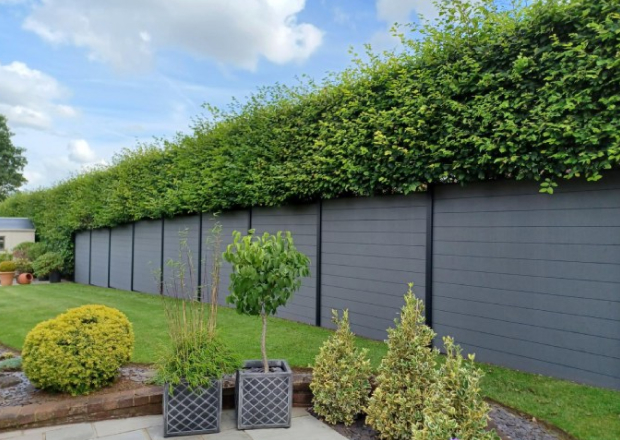
Made from a mix of recycled plastics and reclaimed wood fibres, composite panels are built to withstand the UK weather.
They benefit from minimal moisture absorption, a key drawback of timber. This means they will not rot, crack, warp, or splinter.
The composition of wood and plastic offers excellent resistance to termites and other wood-eating insects.
As long as they are kept clean from surface dirt, composite boards resist the growth of mould and mildew that can weaken and discolour timber.
What this means for you: A longer-lasting fence that won’t weaken, decay, or splinter, retaining its strength and appearance for years. This is why a composite fence has a lifespan of 10 to 25+ years, compared to just 8-12 years for most wood.
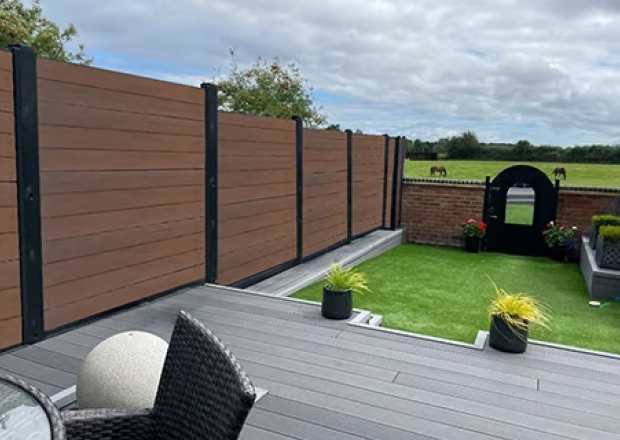
Composite fencing comes in a variety of modern colours and designs, from a traditional wood-effect fencing to the on-trend slatted fence panel look.
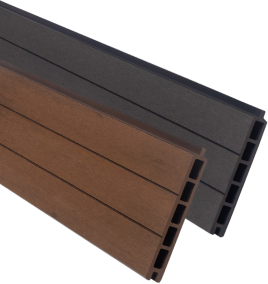
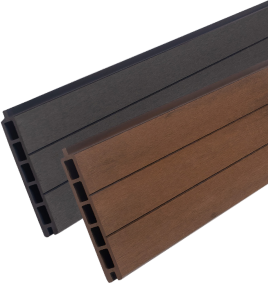
You can choose from natural brown fencing, contemporary grey fence panels, or even a sleek and bold black, with the right composite fencing colour depending on the style of your home, surrounding landscaping and the overall look you want to create.
What this means for you: You can bring different fencing ideas and garden design to life. Unlike wood, you don’t have to paint your fence panels to get the colour you need, and even better, the colour you buy today will be the same essential colour you get years later. It’s an everlasting enhancement that stands the test of time.
As composite fence panels are made with up to 90% recycled materials, purchasing them helps reduce plastic waste in landfill and promotes a more renewable ecosystem.
What this means for you: Not only will your investment pay back over time, but you can also relax without the drawback of ever having to seal or paint. You can enjoy your garden knowing you’ve helped support a better ecosystem with your purchase.
In all honesty, composite fencing doesn’t have many major issues, but there are some important things you will want to consider when choosing.
Composite fencing has a higher initial cost when compared to traditional timber fence panels.
Why this might be a con: It all comes down to one question: how long are you going to be in your home? When considering the cost of composite fencing, the higher upfront price needs to be weighed against the ongoing maintenance and replacement costs associated with timber.
It’s key to understand the different types and decide which is the best composite fencing for your project—uncapped or capped—as this sets realistic expectations for performance.
These are the most common type in the UK. While durable, they are more porous than capped boards, meaning they require simple, regular cleaning to prevent staining. They will also lighten in colour slightly over the first 6 months as they weather naturally.
Capped fence panels are the premium “fit and forget” solution. A protective polymer shell makes them exceptionally resistant to stains and fading.
Why this matters: We believe in setting the correct expectations, something that was often missing when composite products first entered the market. While uncapped boards are a fantastic upgrade over wood, capped boards are the ultimate low-maintenance choice, offering a level of stain and fade resistance that uncapped boards simply cannot match.
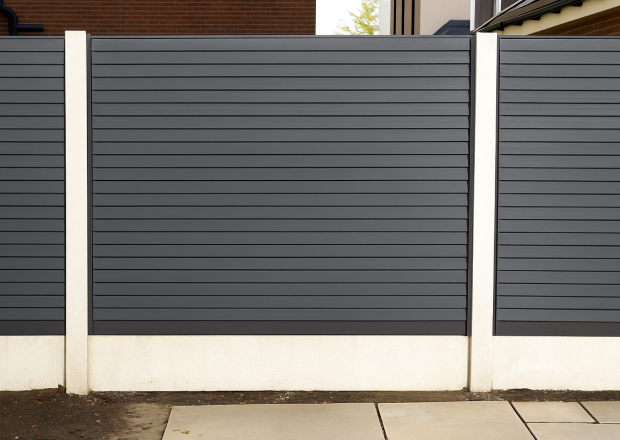
While composite is tough, it is not indestructible. Dragging sharp tools or any metal garden products or furniture can leave marks.
The Fix:
Much like the UK composite decking market over the last decade, rapid growth in the fencing sector has led to a significant variance in quality between suppliers.
While composite materials are renowned for being low-maintenance and long-lasting, they have one physical characteristic that every installer must respect: Thermal Expansion.
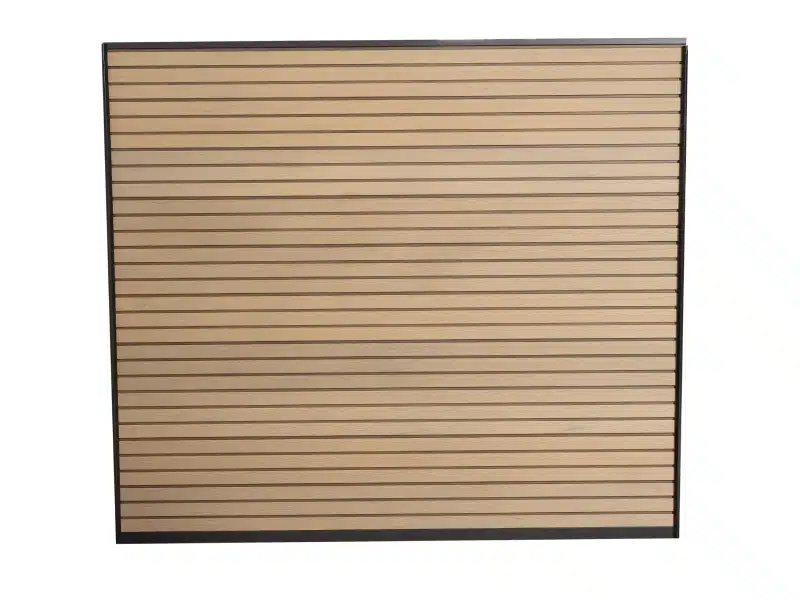
High-quality modern fencing is a smart investment that will pay back in as little as 5 years. It’s adaptable to existing concrete posts or can be installed as a full new system, with different composite fencing kits available depending on the posts and boundary you already have.
It has numerous benefits, including long-lasting colour and minimal maintenance, and it simply outperforms wood in almost every way. The final decision comes down to one key question: what is the desired lifespan for your fence, both structurally and visually?
 Previous Article
A Buyer's Guide to Composite Fencing Kits (2026)

The Ultimate Guide to Fencing Ideas (2026 UK Edition)
