


 Previous Article
The Pros and Cons of Composite Decking: A UK Expert's Guide (2026)
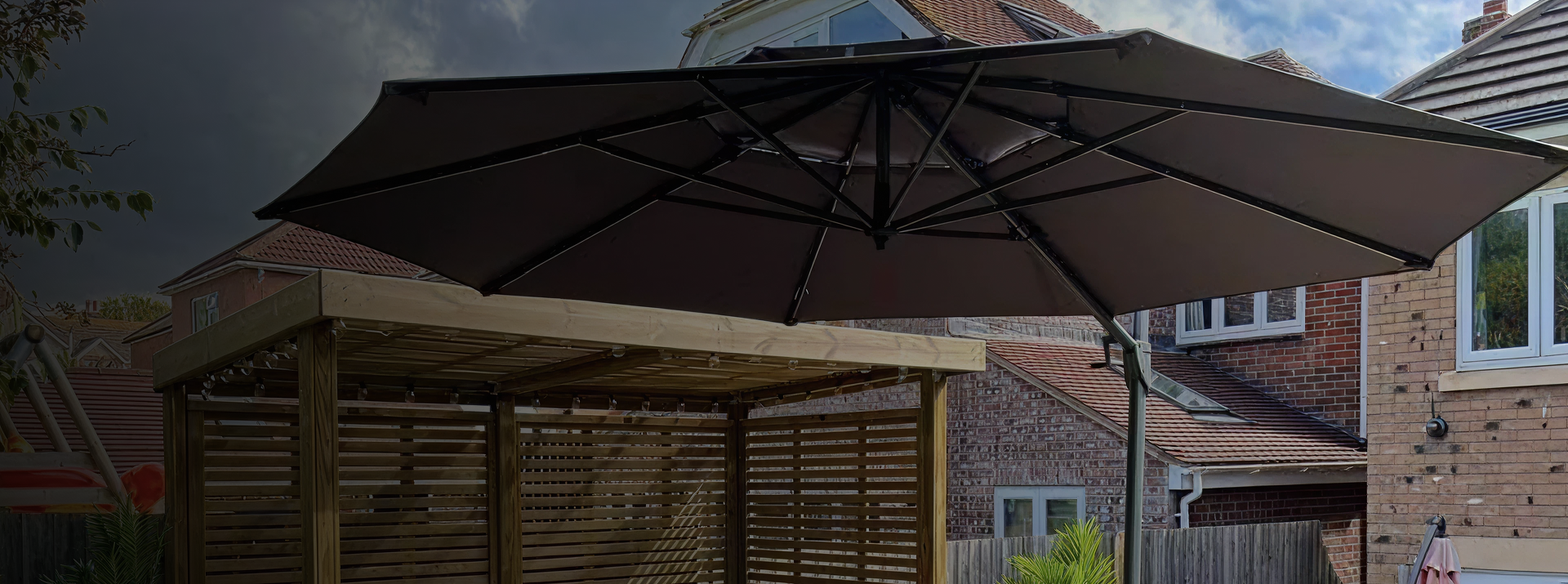

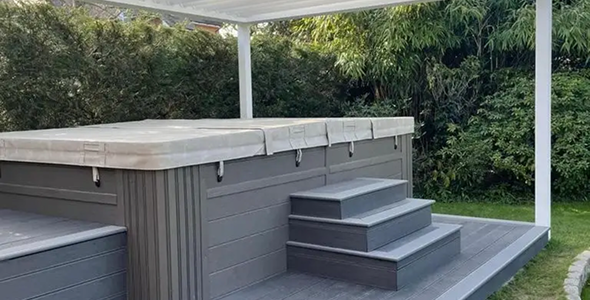
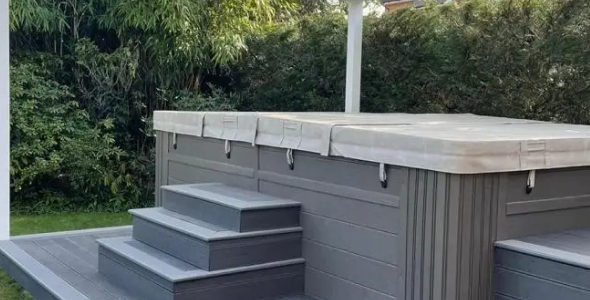
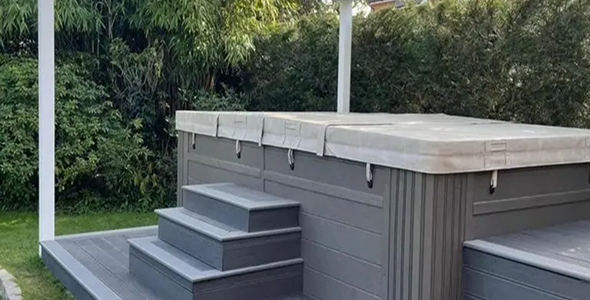
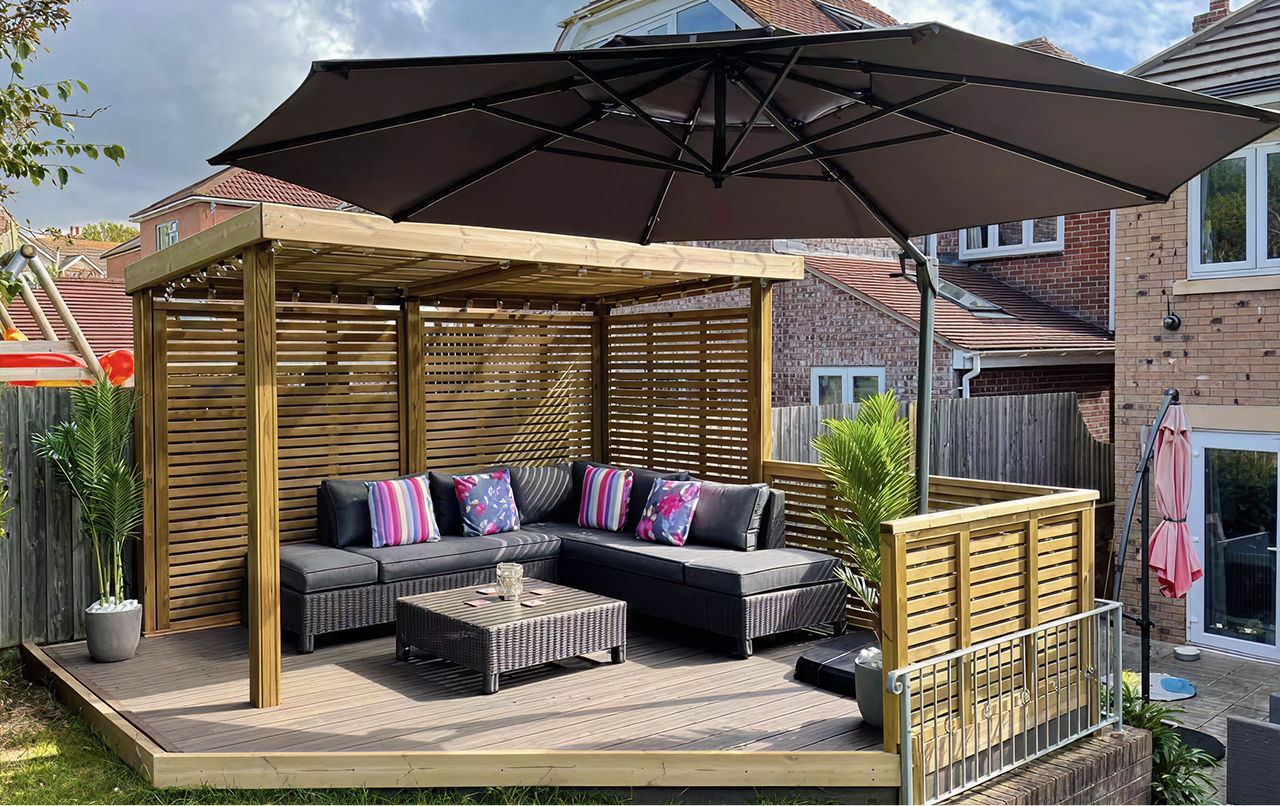
Building a pergola over your outdoor composite decking is a great feature to elevate your garden design and, more importantly, provide shade and shelter from the rain. They provide comfort and shelter in the winter months where you can relax.
In our personal view, a pergola turns your deck into a true outdoor extension that can be used all year round.


This is the most important phase of your project – a pergola adds significant weight and stress to your garden and deck structure.
In most cases in the UK, you won’t need planning permission if the structure is not over 2.5m in height and doesn’t cover more than 50% of the space of your garden; however, rules are complex. Our expert advice is simple: always check with your local council first to be 100% safe.
A standard decking subframe is NOT designed to support the weight of a full pergola. For this reason, we do not recommend attaching pergola posts directly onto your decking boards without significant reinforcement below. The safest and most robust method for a DIY project is to set the posts in their own concrete footings just outside the deck .
⚠️ Essential UK Safety Fix: Wind Uplift
The UK experiences frequent strong winds and gales. Because a pergola roof acts like a sail, it is susceptible to wind uplift—the force that attempts to lift the structure off the posts.
To ensure your structure is safe, all 47x200mm main joists must be secured to the posts using High Wind Ties (Truss Clips). Standard vertical screwing is often not enough to comply with safety best practices in exposed UK gardens.
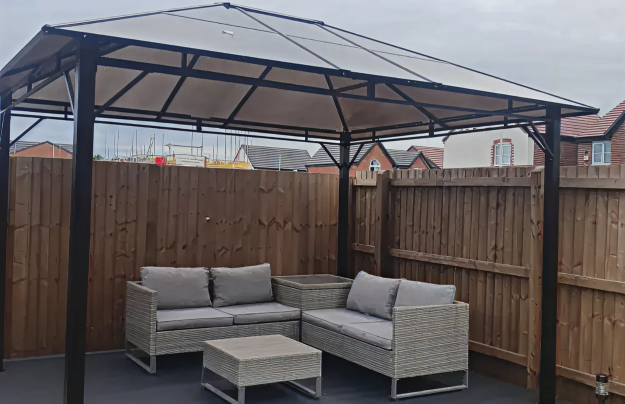
Mark out where your four 100mmx100mm timber posts will go, positioned just outside of the corners of your deck.
For each post, dig a hole approximately 300mm wide and at least 750mm deep.
Add a few inches of gravel to the bottom of each hole and place the post on top of an engineering brick (or slate). This prevents the timber from sitting in wet soil, which is the primary cause of rot.
Place a post in each hole. Use a spirit level and temporary timber braces to ensure each post is perfectly vertical (plumb).
Fill the holes with post-fixing concrete (follow bag’s instructions). As you fill them, use a stick to poke the concrete to remove air bubbles, which can weaken the structure and strength of the solid concrete. For a professional finish, slope the top of the concrete away from the post so rainwater runs off. Allow the concrete to fully cure.
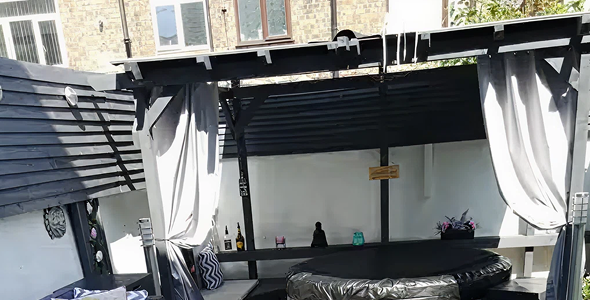
Once the concrete is set, cut all your posts to their final, level height.
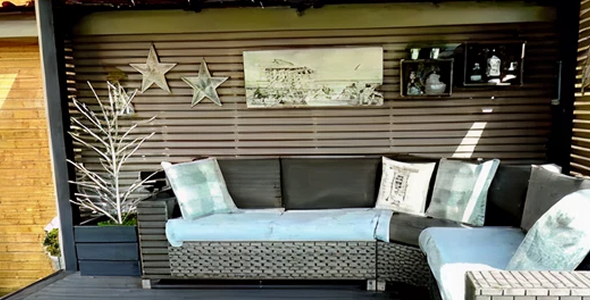
The main support beams connect to your posts. For the strongest connection, cut a “notch” into the top of each post for the beam to sit in. Alternatively, use Galvanised Steel T-Shaped Brackets. Critically, ensure you use High Wind Ties to secure these beams to the posts.
Install your secondary rafters on top of the main joists. For a professional finish, cut small notches into these rafters so they sit securely over the main beams like jigsaw pieces. Fix them into position with galvanised nails or screws.
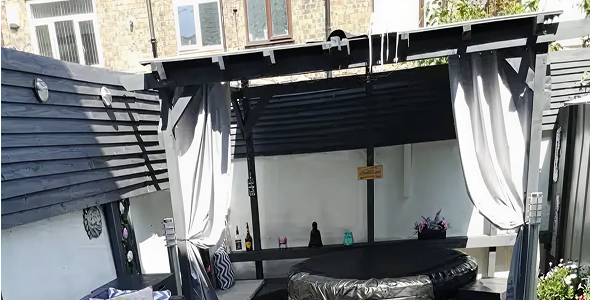
Building a pergola is a more complex project than laying a deck, but it creates a stunning, all-year-round feature for your garden. If you are an experienced DIYer, follow these steps carefully. If you are in any doubt, we recommend speaking to a professional for guidance on installation. For a much simpler weekend project to complement your new space, take a look at our guide on what to do with your leftover composite decking.
 Previous Article
The Pros and Cons of Composite Decking: A UK Expert's Guide (2026)

Why Winter is the Smartest Time to Install Your Composite Decking: An Expert's Guide
